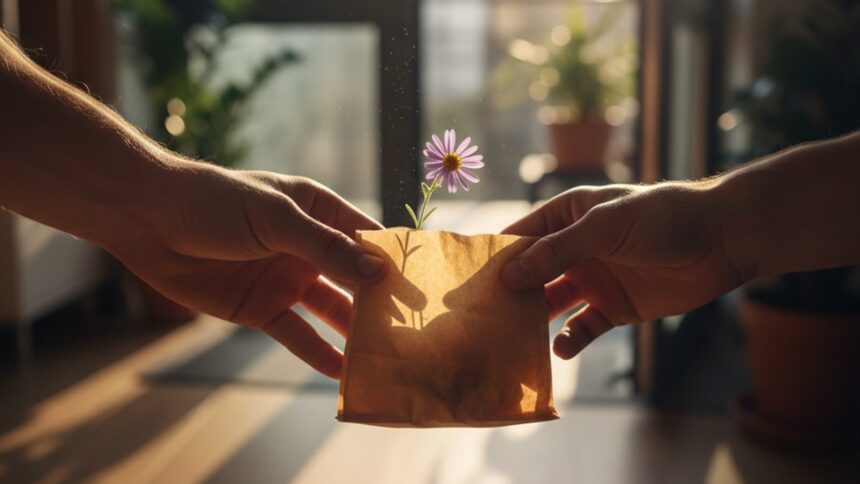
A new dating term is going viral on Chinese social media, and it is drawing attention for the way it reframes everyday gestures of care. According to a recent report by the, “A new type of partner is heading towards becoming the next big thing in China’s dating market — so-called hunter-style lovers.”
The label does not refer to literal hunting, but to partners who bring small, thoughtful ‘finds’ to the people they care about — anything from snacks saved from work to items picked up during the day. As thenotes, this does not mean they “see their dates as prey,” but rather show affection by bringing their lovers “prey” in the form of small gifts or discoveries.
What stands out about this trend is that the item’s value is not the focus. A modest drink, a snack, or even something found on a walk can carry meaning if it reflects attention and care. As highlighted in the South China Morning Post report, “the value of the ‘prey’ does not matter,” and what matters more is “the lover’s true sense of caring revealed in the gift-bringing gesture.”
The idea overlaps with an older concept in East Asian dating culture: the “nuan nan,” or considerate partner. However, the newer “hunter-style lover” label is seen as more action-driven and practical. The quotes an online observer who said, “Offering real things to someone is more practical than telling them you love them 100 times.” Others frame it as a sign of reliability and . One social media user, quoted by the publication, said, “It is not about giving you good things, but about giving everything he has to you.”
The rise of this term is unfolding alongside broader shifts in China’s dating and marriage patterns. As reported by the , the country had around 240 million single people in 2024, and marriage registrations have dropped significantly compared with a decade ago. With more young adults choosing to remain single or setting higher expectations for partners, the popularity of “hunter-style lovers” may reflect a preference for tangible, everyday expressions of care rather than grand romantic declarations.
Psychologist Rasshi Gurnani tells indianexpress.com, “The appeal reflects a shift from performative romance to emotional safety. Many young adults now prioritise felt security over verbal reassurance because consistency regulates the nervous system more than words do. Small actions signal reliability, activating attachment pathways linked to predictability and caregiving. Psychologically, this meets needs for containment and attunement, the sense that a partner notices you without being asked.”
Verbal affection can be interpreted as symbolic, she adds, but behaviour functions as evidence. Micro-acts of care reduce ambiguity, which lowers anxiety in both anxious and avoidant attachment styles. The brain encodes repeated behaviour as intention, so thoughtful actions become proof of emotional investment rather than performance.
Repeated practical gestures create what psychologists call secure attachment conditioning. The brain tracks patterns, not intensity. “When someone consistently remembers preferences or anticipates needs, it builds predictive safety, you begin to expect care. This lowers hypervigilance and strengthens emotional bonding through oxytocin-mediated trust responses,” notes Gurnani.
Over time, the partner becomes associated with regulation: stress reduces in their presence. “Small acts also function as non-verbal validation, which enhances perceived partner responsiveness a key predictor of long-term relationship satisfaction,” states Gurnani.
“A care-focused partner represents psychological stability, i.e., someone who contributes to daily wellbeing rather than occasional excitement. This indicates a , mutual regulation, and practical intimacy as relationship standards. The priority is long-term emotional safety, not intensity. The trend suggests relationships are being treated less as identity fulfilment and more as cooperative living,” concludes Gurnani.