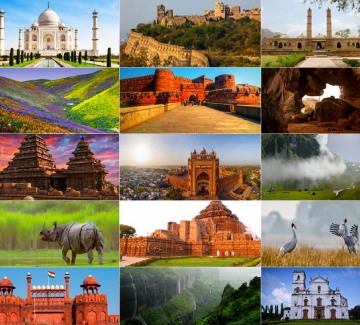
Best Travel Destinations in India for 2025 — Ultimate Guide (1500+ words)
India in 2025 is a study in contrasts: high-altitude deserts and emerald backwaters, ancient ruins and buzzing modern cities, wildlife-rich national parks and palm-fringed islands. Whether you’re planning a once-in-a-lifetime trip or picking short escapes across long weekends, this guide picks the top destinations to consider this year, why they shine in 2025, the best time to go, and practical travel tips so your trip runs smoothly.
What’s new for 2025 — travel trends to know
Travelers in 2025 are leaning toward experiential, sustainable, and offbeat travel — think small-group cultural experiences, eco-friendly stays, and regions that balance tourism with conservation. India’s regional tourism boards have been promoting responsible travel experiences (community stays, nature-based tourism), while domestic connectivity (new flights, improved roads) is making remote spots more accessible. This means more options, but also a reminder to book responsibly and early for popular seasons and festivals. National Geographic+1
1. Leh–Ladakh (Pangong, Nubra, Tso Moriri)
Why go: Dramatic high-altitude landscapes, crystal-blue lakes like Pangong Tso, sand dunes in Nubra valley, and an unmatched landscape for road trips and motorcycle tours. The raw, otherworldly views and Tibetan-influenced culture make Ladakh a perennial favorite. The Times of India
Best time: June to September (summer window when roads and passes open). Winters are harsh and many routes close.
Highlights:
-
Pangong Tso (iconic color-changing lake).
-
Nubra Valley and sand dunes at Hunder (camel rides on double-humped Bactrian camels).
-
Monasteries including Thiksey and Hemis.
-
High-altitude treks and motorbike routes like Khardung La.
Practical tip: Check permit and entry requirements for Leh and some restricted areas — the local permit/entry systems and online portals have been modernized; foreign tourists should verify Inner Line Permits or local tourist permits in advance. Book accommodations and transfers early for June–August. lahdclehpermit.in+1
2. Kerala Backwaters & Alleppey
Why go: A languid cruise through palm-lined channels, paddy fields and rural life on a traditional houseboat is one of India’s most relaxing and picturesque experiences. Kerala pairs well with food and wellness (Ayurveda) for a restorative trip. horizonguides.com
Best time: October to February for cool, dry weather. Monsoon (June–September) is lush but many services are limited.
Highlights:
-
Overnight houseboat cruise from Alleppey (Alappuzha) to Kumarakom.
-
Village walks, local markets and “village tourism” homestays.
-
Ayurveda and traditional Kerala cuisine.
Practical tip: Choose a licensed operator and check whether your houseboat trip includes meals and pickup. Overnight stays are popular — book at least a few weeks in advance in peak season.
3. Hampi, Karnataka (UNESCO World Heritage)
Why go: Hampi’s surreal landscape of giant granite boulders, ruined temples and the evocative remains of the Vijayanagara Empire are unique — part history lesson, part rock-climbing playground. It’s a must for history buffs, photographers and travelers who enjoy slow exploration. MakeMyTrip
Best time: October to February (pleasant days and cool evenings).
Highlights:
-
Virupaksha Temple, Vittala Temple (musical pillars), Lotus Mahal and the Royal Enclosure.
-
Sunrise/sunset views from Matanga Hill and Hemakuta Hill.
-
Riverside coracle rides and village cafés with live music.
Practical tip: Hampi’s ruins are spread out — rent a bicycle or hire a local scooter to move between sites. Respect protected zones and fragile monuments. MakeMyTrip
4. Andaman & Nicobar Islands
Why go: For turquoise water, coral reefs, and some of India’s cleanest beaches (Radhanagar, Lalaji Bay). The Andamans are a top choice in 2025 for snorkeling, scuba diving and relaxed island time. The Times of India
Best time: November to April (clear seas and great diving conditions).
Highlights:
-
Radhanagar Beach (Havelock/ Swaraj Dweep).
-
Scuba diving around Neil Island and Havelock.
-
Cellular Jail and heritage sites in Port Blair; glass-bottom boat rides for reef viewing.
Practical tip: Flights to Port Blair fill up during peak season; inter-island ferry schedules can change, so keep buffer days when moving between islands. Book certified dive operators with safety records. The Times of India
5. Rann of Kutch & Rann Utsav (Gujarat)
Why go: The white salt desert, dramatic moonlit vistas, and the Rann Utsav (a cultural festival and “tent city” experience) make for a one-of-a-kind desert festival trip. The Rann’s palette and local crafts are outstanding photo and shopping fodder. Rann Utsav+1
Best time: Late October to early March (Rann Utsav typically opens late October through winter).
Highlights:
-
Full-moon nights on the white salt pan.
-
Folk music, dance performances, handicrafts and craft villages.
-
Day trips to Kalo Dungar and the Indian Wild Ass Sanctuary.
Practical tip: Festival dates and special event packages are published early — book tents and transport well before peak weekends. Temperatures can be cold at night in the desert season. The Times of India
6. Varanasi, Uttar Pradesh
Why go: One of the oldest living cities in the world, Varanasi offers an intense and intimate spiritual experience centered around the Ganges — the sunrise boat rides, evening Ganga Aarti and narrow old-city lanes are unforgettable. The Times of India
Best time: October to March (cooler, more comfortable for walking and boat rides).
Highlights:
-
Sunrise boat ride followed by a walking tour of ghats.
-
Evening Ganga Aarti at Dashashwamedh Ghat.
-
Sarnath nearby (Buddhist pilgrimage site).
Practical tip: Check local conditions (river levels and safety notices), especially in monsoon-related or high-water periods when boat services can be disrupted. Respect local customs and dress modestly near religious sites. The Times of India
7. Kaziranga National Park, Assam
Why go: Home to the largest population of the Indian one-horned rhinoceros, Kaziranga is a top wildlife destination for safaris and birdwatching. It’s a conservation success story and a must for wildlife enthusiasts. The Times of India
Best time: November to April (drier months ideal for jeep/elephant safaris).
Highlights:
-
Rhino safaris, elephant-back rides, birdwatching and guided nature walks.
Practical tip: Book safaris through official park channels or reputable operators; early-morning safaris are best for wildlife sightings. Respect park rules to minimize disturbance to animals.
8. Darjeeling & Sikkim (Himalayan escape)
Why go: Tea gardens, the Darjeeling Himalayan Railway (toy train), stupas and sweeping views of Kanchenjunga make this region ideal for scenic slow travel. Sikkim’s monasteries, trekking routes and eco-tourism initiatives have also made it a hotspot for culture-and-nature travel. Lonely Planet
Best time: March to May and October to December.
Highlights:
-
Sunrise over Kanchenjunga from Tiger Hill.
-
Darjeeling tea estates, ropeway rides and colonial charm.
-
Sikkim (Gangtok) offers nearby trekking and cultural experiences.
Practical tip: High-altitude acclimatization matters — take it slow if you plan treks. Check local permit rules for certain border regions, and support local homestays to ensure tourism benefits communities.
9. Rajasthan Classics — Jaipur, Udaipur, Jaisalmer
Why go: For forts, palaces, desert camps, and royal hospitality. Rajasthan is India’s emblematic heritage circuit — grand architecture, colorful bazaars and desert nights under stars. Lonely Planet
Best time: October to March.
Highlights:
-
Jaipur’s Amber Fort and city palaces; Udaipur’s lakes and romantic palaces; Jaisalmer’s golden city and desert camping under stars.
-
Local experiences: block-print workshops, Rajasthani cuisine and folk performances.
Practical tip: Weekday visits avoid crowds at major forts; early morning is best for photography and cooler sightseeing.