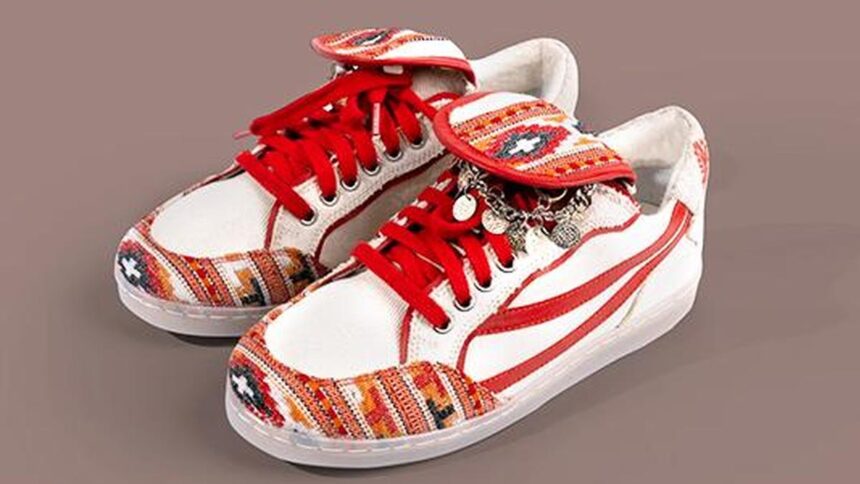
As a younger generation of Indian customers increasingly move away from traditional brown-black shoes and other mass market footwear, legacy Indian brands are being forced to rethink their positioning.
Companies like Bata and Relaxo Footwear have recently acknowledged the need to keep up with changing consumer preferences towards premium footwear like sneakers and are now looking to move up the value chain and expand their presence in the segment to drive growth.
Sanjay Rao, the newly appointed CEO at Bata India recently flagged in an earnings call that Bata ‘missed the bus’ when it comes to sneakers and did not ‘move in an agile way’ when nimbler players entered the market.
“We believe that the market opportunity with sneakers is significantly larger than what we have even with the brown and black shoes,” he told presspersons recently. The category currently contributes less than 10 per cent of Bata’s overall business.
Similarly, Gaurav Kumaar Dua, Co-CEO, Relaxo Footwear said despite tailwinds in the footwear industry, the company has not been able to deliver satisfactory growth over recent years.
“The next phase requires us to move beyond this predominantly volume-driven footwear company to become a more consumer-centric and innovation-led footwear organisation” he said. Relaxo has traditionally been a major player in the mass market hawaii segment with brands such as Bahamas and Flite
Dua mentioned that the company is now endeavouring towards this by expanding its portfolio, rejigging its stores to give more prominence to sneakers and sports shoes. He added that growth in the sneaker segment has also helped Relaxo offset some of the pressure in segments such as Hawaii and open footwear.
Meanwhile, the sneaker category is also aided by a shift towards premium footwear for younger aspirational customers who are fashion conscious and prioritise design and brand identity.
Shraddha Kapadia, Lead Institutional Analyst, SMIFS said the trend is not limited to premium sneakers, but also sports-inspired, casual and lifestyle footwear across price points.
“For established players, this is becoming an important lever for improving ASPs, product mix and brand relevance,” she said.
Kapadia pointed to Campus Activewear whose sneaker portfolio grew 109% YoY in FY26, contributing 12.7% of overall volumes, with realisations of over ₹900 per pair, compared with the company’s overall Average Selling Price of ₹683. As they strive to build a presence in the category, these established players also have to contend with a highly competitive landscape, including foreign brands as well as Indian D2C players.
“Newer brands such as Comet, Neeman’s and Gully Labs are leveraging trend-led designs, digital-first marketing and sharper positioning to attract younger consumers. Despite this, established players retain advantages in sourcing scale, distribution, retail infrastructure, brand recall and consumer trust. The challenge is to combine these strengths with greater agility and consumer relevance,” Kapadia said.
Published on November 25, 2026