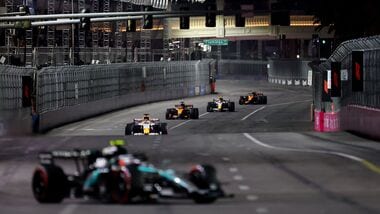
is set to bring V8 engines back from the 2030 season after the FIA announced a unanimous agreement on the power unit framework. The deal, struck on November 20, involves the FIA, Formula One Management, all teams and the power unit manufacturers. The proposed unit is a 2.1-litre turbocharged V8 that runs on advanced sustainable fuels and is designed to be lighter, simpler and more cost-effective than the current engines.
This marks the first V8s in since the 2013 season. The championship used V8 power between 2006 and 2013 before switching to the V6 turbo-hybrid formula that remains in place today.
The FIA presented regulations built around a 2.1-litre turbocharged V8 that carries over some geometrical specifics from the present engines. The governing body said the overriding objective is “to deliver a power unit which is a lot less complex, lighter and cheaper than the current power units. It will feature limited hybridisation, relevant and sustainable technology with the aim of enhancing attack-oriented racing and a sound which resonates with fans.”
The V8 will be paired with a lighter and more agile chassis that places greater emphasis on driver skill and close racing. Sustainable fuels already used in 2026 will continue.
The switch comes a year earlier than previously planned and shortens the current V6 era. The 2026 rules introduced a near 50-50 split between combustion and electric power, and drivers have criticised energy starvation issues this season. The new framework is intended to remove that problem while keeping a turbo for lower fuel use and road-car relevance. president Mohammed Ben Sulayem had earlier pushed for a naturally aspirated V10 and later a non-turbo V8, but manufacturers preferred the turbocharged option.
According to reports, the electrical element will be limited to a maximum of 200kW, down from 350kW this season. Half of that output is available at all times, with the remainder used for an overtake mode. The combustion engine is expected to produce around 780bhp, giving a total of just over 900bhp in normal running and about 1,050bhp in overtake mode, similar to today’s overall power.
Power units will have a weight limit of 150kg, roughly 30kg lighter than current engines, with an overall car weight target below 700kg (down from 768kg). An engine budget cap of $190 million a year is also planned. The 2.1-litre size was chosen because it effectively adds two cylinders to the existing 1.6-litre V6 blocks, helping control development costs.
Ben Sulayem called the agreement a significant milestone. “This agreement marks a significant milestone in shaping the future of . From the outset I have been clear in my ambition to deliver a sport that is more competitive and more exciting for our fans, while remaining at the forefront of innovation and sustainability,” he said.
“The return of V8 engines represents an opportunity to reconnect with the DNA of this Championship, bringing back the sound, emotion and pure racing that is loved worldwide. Our vision is clear, lighter, simpler and more affordable cars that put driver skill at the heart of the competition. I want to thank all involved for their collaboration. This is an important step forward, and demonstrates what we can achieve when we work together to deliver the best possible future for our sport.”
The framework is not yet final. A definitive 2030 regulatory framework will be presented to the FIA World Motor Sport Council at its meeting in Shanghai next month. All regulatory changes require the council’s approval before they can be locked in.
As part of the wider agreement, General Motors is delaying its own engine from 2029 to 2030. Cadillac will continue using Ferrari customer engines through the end of 2029. In return, GM will give up its voting rights on the current engine rules and be classed as a new manufacturer from 2030. Cadillac CEO Dan Towriss confirmed the team would “remain a customer of Ferrari through 2029 and bring the Cadillac power unit online in 2030 with the V8.”
The manufacturers involved in the talks include Mercedes, , Red Bull-Ford, Audi, Honda and General Motors. Fans can expect a louder, more attack-focused Formula 1 from 2030 if the World Motor Sport Council signs off the final rules next month.