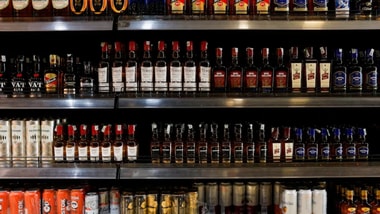
Amid a raging dispute over the India-UK trade pact, India is now imposing an effective duty of 162.5% on bulk Scotch whisky imports, Reuters reported. The development has left thousands of litres of whisky stuck at Indian ports and putting liquor companies in a difficult position despite a trade agreement that was expected to lower import costs.
The , which came into effect in July, reduced tariffs on Scotch whisky from 150% to 75%. The move was expected to benefit companies such as Diageo and Pernod Ricard, which import in bulk and blend it with other spirits to manufacture popular whisky brands for India’s $65 billion liquor market.
The disagreement centres on the customs classification of bulk Scotch whisky and whether it qualifies for the tariff concessions under the India-UK trade agreement.
Under the pact, tariffs on Scotch whisky imports were reduced from 150% to 75%. However, Indian investigators have argued that bulk Scotch concentrates should be classified differently from finished whisky.
According to Reuters, investigators contend that since May, these imports have come under a newly created customs category called “compound alcoholic preparations”, which attracts a 150% tariff.
An additional consumption tax takes the effective duty to 162.5%.
Indian authorities have argued that bulk Scotch is merely a raw material used to manufacture blended whisky and other alcoholic beverages, and therefore does not qualify for the reduced tariff under the trade agreement.
Liquor companies, however, disagree with this interpretation. Pernod Ricard, Diageo and several Indian manufacturers believe all Scotch imports, whether bottled or brought in bulk, should attract the concessional 75% tariff under the pact.
The customs classification dispute has left thousands of litres of bulk in more than 80 shipping containers belonging to Pernod Ricard, Diageo and Bacardi stuck at Indian ports.
While investigations continue, companies can seek provisional release of their consignments by paying duty equivalent to 75% of the goods’ value upfront and covering the remaining amount through bank guarantees, Reuters reported, citing sources familiar with the matter.
Pernod Ricard and Diageo have moved to arrange bank guarantees and other funding to secure the release of their blocked consignments and keep business operations running. Bacardi, meanwhile, was still considering its next steps.
The arrangement is creating additional pressure on companies’ working capital. Smaller liquor manufacturers could face greater difficulties in arranging bank guarantees because they may need to provide collateral. These guarantees also have to be reported as contingent liabilities.
Bulk Scotch imports play an important role in India’s whisky industry, as they are used by domestic manufacturers to produce Indian-Made Foreign Liquor (IMFL) whisky.
Around 80% of Scotch whisky imports from Britain by volume arrive in bulk, according to Reuters. Most of these imports are used to manufacture blended whisky by mixing Scotch with other spirits and ingredients.
These products are sold at considerably lower prices than fully imported Scotch brands such as Chivas Regal and Johnnie Walker.
This makes the tariff dispute significant for Indian liquor manufacturers as well as international whisky companies. A prolonged disruption in bulk Scotch supplies could affect production requirements and increase costs for manufacturers that depend on these imports.
The UK government has repeatedly said it is working with New Delhi to resolve the disagreement and ensure British businesses can export under the tariffs agreed in the trade deal.
A UK government spokesperson told Reuters that ministers were “urgently working with the government of India to resolve this issue to ensure UK businesses can export under the tariffs agreed in the trade deal”.
The Scotch Whisky Association has estimated that Scotch exports to India stood at $335 million in 2024 and forecast that the trade agreement could increase exports by $1.34 billion over five years.