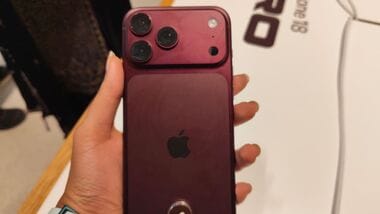
Apple could be preparing for an unusual iPhone launch cycle in 2027, with three new models expected to arrive a few months after its September 2026 launch event.
The upcoming lineup could include the standard iPhone 18, the more affordable iPhone 18e and the second-generation iPhone Air 2.
Apple has already unveiled its premium iPhone lineup in September 2026, including the iPhone 18 Pro models and its first smartphone, called the
Now, the company is expected to turn its attention to the remaining models, which could debut in a separate spring launch window between February and April 2027, with March emerging as a possible launch month.
The staggered rollout would mark a departure from traditional launch strategy, giving its standard and more affordable iPhones a dedicated announcement instead of introducing them alongside its flagship Pro models.
Here’s a look at what the iPhone 18,and iPhone Air 2 could bring, including their expected specifications, features and prices in India.
The standard iPhone 18 is expected to receive a series of internal upgrades while retaining much of the design language of its predecessor.
The smartphone could feature a 6.3-inch LTPO OLED display with 1.5K resolution and a 120Hz ProMotion refresh rate. Apple may also introduce slimmer bezels and improved screen brightness. However, the standard model is unlikely to receive the smaller Dynamic Island reportedly planned for the Pro variants.
Under the hood, the iPhone 18 is tipped to run on Apple’s next-generation A20 chipset, which is expected to be manufactured using 2nm process. The new processor could deliver faster performance and up to 30% better power efficiency compared with the A19 chip.
Memory configurations remain uncertain, with reports pointing to either 9GB or 12GB of RAM. The smartphone could also feature Apple’s C2 modem and offer 256GB and 512GB storage options.
Battery capacity could be another major upgrade. According to tipster Fixed Focus Digital, the iPhone 18 may pack a 4,430mAh battery, compared with the 3,692mAh unit reportedly used in the iPhone 17. This would represent an increase of around 20%.
Apple could also redesign some internal components and potentially remove the physical tray in certain markets to make additional room for the battery.
For photography, the iPhone 18 is expected to retain a dual rear camera setup comprising two 48-megapixel sensors for wide and ultra-wide photography. The front camera could feature either an 18-megapixel or a 24-megapixel sensor, depending on which leak proves accurate.
Other anticipated features include an updated Camera Control button, IP68 water and dust resistance and upcoming iOS 27 software.
The new operating system could also introduce a more capable Siri, with reports suggesting that Apple may use Gemini technology to improve the assistant’s conversational abilities and its capacity to perform tasks across applications.
The iPhone 18e is expected to target buyers looking for Apple’s ecosystem and newer processing hardware without paying flagship prices.
Unlike a major design overhaul, the next-generation affordable iPhone could focus primarily on improvements to performance and battery life.
The device is tipped to feature A20 processor, potentially the same chipset expected in the standard iPhone 18. It could also come with Apple’s C2 modem and between 8GB and 9GB of .
Display specifications remain unclear. While most reports point towards a 6.1-inch OLED panel, a leaked diagram shared on Weibo suggests Apple could increase the screen size to 6.3 inches.
The display is expected to retain a 60Hz refresh rate, meaning the affordable model may continue to miss out on ProMotion technology.
For cameras, Apple could stick with a single 48-megapixel rear sensor, while the front camera may receive an upgrade to 24 megapixels.
Battery life could also improve, with reports suggesting the iPhone 18e may feature the same 4,430mAh battery tipped for the standard iPhone 18.
There is also uncertainty over whether will retain the traditional notch or introduce the Dynamic Island on its more affordable e-series smartphone.
The second-generation iPhone Air could receive more substantial changes, particularly in its camera system and battery performance.
One of the biggest anticipated additions is a secondary 48-megapixel ultra-wide camera, which would address a major limitation of the first-generation iPhone Air’s single-camera setup.
The could also feature an improved battery, a smaller Dynamic Island and Apple’s A20 Pro chipset.
In terms of design, the 2 is expected to retain its 6.5-inch display and titanium construction. It could come with 12GB of RAM and an 18-megapixel front-facing camera.
Interestingly, some reports suggest Apple may make the second-generation Air approximately 0.4mm thinner, despite expectations of improved battery capacity and an additional rear camera.
However, details about the device remain preliminary, and it is unclear how Apple will balance a thinner design with the expected hardware upgrades.
Apple’s next-generation smartphones may also arrive with relatively high starting prices in India, particularly after recent price revisions across its existing lineup.
According to current leaks and estimates, the could start at around ₹99,900. The iPhone 18e may carry forward the revised starting price of the iPhone 17e, which recently increased to ₹79,900.
Meanwhile, the iPhone 2 could retain the starting price of its predecessor at approximately ₹1,49,900.
These prices remain speculative, and Apple has not announced any official pricing details.
Apple has traditionally unveiled its main iPhone lineup in September. However, reports suggest the company could split its launch schedule, with the premium models arriving first and the standard iPhone 18, 18e and iPhone Air 2 following in early 2027.
The spring launch could take place between February and April, with March currently being discussed as a likely window.
Apple has not officially confirmed the launch schedule, product names, specifications or prices of these smartphones. All the details remain based on leaks and early reports and could change before the devices are announced.