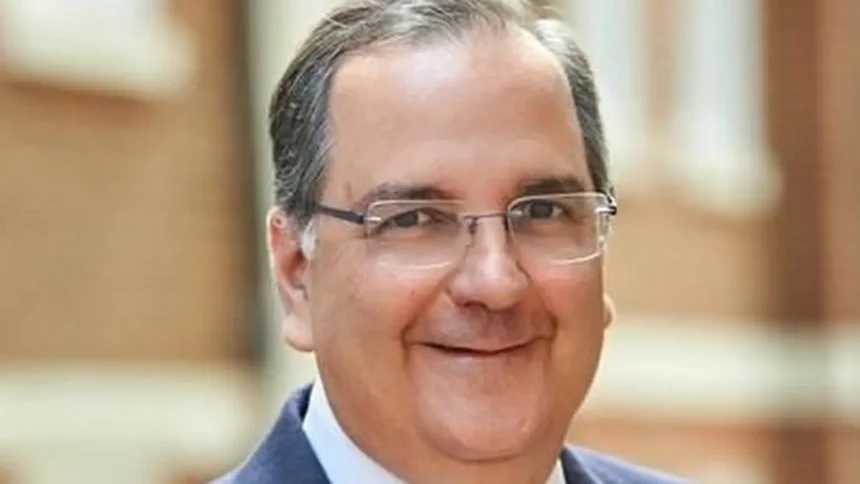
Tata Sons board’s September 17 decision to grant N Chandrasekaran a third term as chairman has sullied the company’s reputation, outgoing Tata Trusts board member Darius Khambata has said.
Khambata expressed this view in a letter to Tata Trusts Chairman Noel Tata while declining another term in office.
“The sad events of September 17, 2026, a day that will live in infamy, have sullied Tata Sons’ reputation and imperilled the image of corporate India. No amount of spin doctoring can mask what happened,” Khambata wrote on Monday.
“Would the board of Tata Sons have acted as it did on September 17 had Ratan Tata still been alive? Of course not. But duties are owed to institutions, not individuals. And as Ratan Tata used to say, the institution is always bigger than the individual,” Khambata said.
Tata himself has opposed Chandrasekaran’s reappointment and has termed the board’s decision void.
Khambata, a senior lawyer, has been a trustee of the Sir Dorabji Tata Trust (SDTT) and the Sir Ratan Tata Trust (SRTT), the two key shareholders of Tata Sons, since 2023.
Within the organisation, Khambata has been an ally of Noel Tata on issues such as retaining Tata Sons’ private status. The issue has divided the trusts, with fellow board members Vijay Singh and Venu Srinivasan supporting a share sale.
The SRTT continues to be under a regulatory ban. Khambata’s term at SDTT was due to end in November, and he is believed to have opted against reappointment in anticipation of opposition from Srinivasan and Singh. An executive with the trusts said Tata continues to hold a majority within the trusts despite Khambata’s exit.
Tata Sons decline to comment on Khambata’s letter.
In his letter, Khambata recounted his tenure with the organisation and highlighted key resolutions, including those opposing the listing of Tata Sons shares.
“Since May 2025, I have consistently maintained that opposition to listing must go hand in hand with providing liquidity to the Shapoorji Pallonji group through the sale of some or all of their shares,” he wrote.
He also criticised Singh and Srinivasan for working against the trusts.
“It is now untenable to argue that a nominee director of a public charitable trust, particularly a serving trustee, may act against the trust’s interests merely because he owes a duty to the company. He sits on the board precisely to protect the trusts. There cannot be two classes of trustees, those who are nominee directors and those who are not. All trustees owe an equal fiduciary duty to the trust,” he said.
Published on November 2, 2026