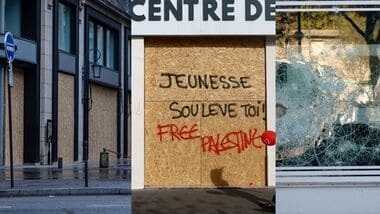
Peaceful student protests that began in in September over teacher shortages, inadequate education funding, and deteriorating school conditions have widened to include public anger over the government’s handling of the high cost of living and have turned violent. As demonstrations continue, with clashes and looting in some cities, the impact is starting to show.
From popular tourist attractions such as the Louvre, Musée d’Orsay, Picasso Museum and Grand Palais being shut to retailers closing stores amid fears of further looting and damage, the unrest is disrupting tourism and trade. Hotel bookings in Paris have taken a hit, while retailers across the country are estimating massive losses from damaged and ransacked stores.
According to Euronews, at least 3,000 French shops were hit during the 17–18 October protests. While insurers said they were mobilised, lost trade may not be covered, depending on whether businesses have business interruption insurance.
Insurers did not reveal the number of claims filed after stores were ransacked or provide an initial estimate of losses during the 17–18 October protests. For comparison, the 2023 riots, which swept the country in June and July, resulted in €793 million in , according to France Assureurs. Insurers processed approximately 17,000 claims, with an average payout of about €46,600. Shops and commercial properties accounted for two-thirds of the total, or roughly €523 million. Nearly €200 million, a quarter of the total, covered losses suffered by local authorities following attacks on town halls, schools and buses. Vehicles accounted for the remaining seven per cent.
On 19 October, French supermarket giant Carrefour’s chief executive, Alexandre Bompard, who also chairs the FCD retail federation, estimated that roughly 1,500 shops were affected. He put the industry’s losses at several hundred million euros. The supermarket giant alone reported damage to at least 50 of its stores, including 20 that were looted.
On 21 October, shares in Carrefour, which is also France’s largest listed retail group, declined by over 13% after the company warned that violent protests across the country could hurt its earnings, AFP reported. The estimated that the unrest would reduce its operating profit for the year by €80 million–€200 million ($90 million–$225 million).
According to Reuters, luxury retailers across France covered their shop windows with boards and brought in private security guards ahead of demonstrations on 24 October. Some also planned to remain shut following widespread looting during the previous weekend’s unrest.
Staff at a retailer and a De Beers outlet near Place Vendôme in Paris said the stores would stay shut on 24 October. Other retailers, including Richemont-owned IWC, planned to assess the size of the demonstrations before deciding whether to close early.
On the Champs-Élysées, and Boss displayed closure notices on windows reinforced with boards. Employees at Swatch Group outlets said they would shorten their trading hours.
Metal cages surrounded a Lacoste store that had sustained “enormous” damage the previous week, according to a staff member. The brand’s café was also fully boarded up.
Separately, staff at LVMH brands Louis Vuitton, Dior and Bulgari told Reuters they were not taking any chances and had ramped up security at their stores near Place Vendôme. The group also deployed additional private security to patrol high-end shopping districts.
With further demonstrations planned, retailers face continued uncertainty over store closures, security costs and lost sales
(with inputs from agencies)