



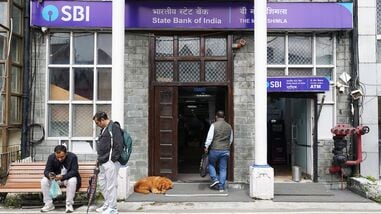
The bank strike from 28 to 30 September is likely to delay some salaries for September. However, it depends on many factors. Your employer’s payment arrangements and the banks involved will matter.
Companies using digital banking with enough funds may still pay salaries on time. However, heavy transaction traffic could cause problems. Employers, depending on branch visits or cheque clearing, face a greater risk of delays.
The Week reported that most public sector banks, including SBI, would face disruption. Some older private banks could also be affected, including Federal Bank and South Indian Bank. , ICICI Bank, Axis Bank and Kotak Mahindra Bank are expected to remain open.
Central government employees have an arrangement intended to prevent salary delays. The Times of India reported that September payments were authorised early, on 25 September. The decision covered salaries, wages and pensions, including employees in Defence, Posts and Telecommunications.
These payments are treated as advances against the final September amounts. Any necessary salary or wage adjustments will be made in October, the report said. The arrangement also covered advance September wage payments for central government industrial employees.
Railway employees were covered by instructions circulated through the Railway Board. StaffNews published the Board’s communication directing railway units to act immediately on the payment order.
It referred to the 23 September memorandum permitting salaries to be paid on 25 September. The communication carried the agreement of the Railway Ministry’s Finance Directorate.
According to The Week, the central government’s early payment arrangement excludes the state government and employees. Private employees should, therefore, avoid assuming that the 25 September arrangement covers their .
Banking services will not stop completely during the proposed strike. UPI, mobile banking, internet banking and ATMs are expected to remain available. However, branch cash transactions, cheque clearing and applications for loans or deposits could suffer.
The Times of India reported another step to reduce inconvenience before the strike. Public sector banks and regional rural banks were open on Sunday, 27 September. Customers were advised to complete important transactions before the strike wherever possible.
The strike also coincides with banks’ half-yearly closing on 30 September. This adds pressure during an important period for banking work.
The United Forum of Bank Unions called the strike over several demands. These include a five-day week and improved pension benefits.
The government and the bank management urged unions to postpone the protest. For salary earners, the uncertainty remains about whether their employer needs services that are disrupted by staff.