



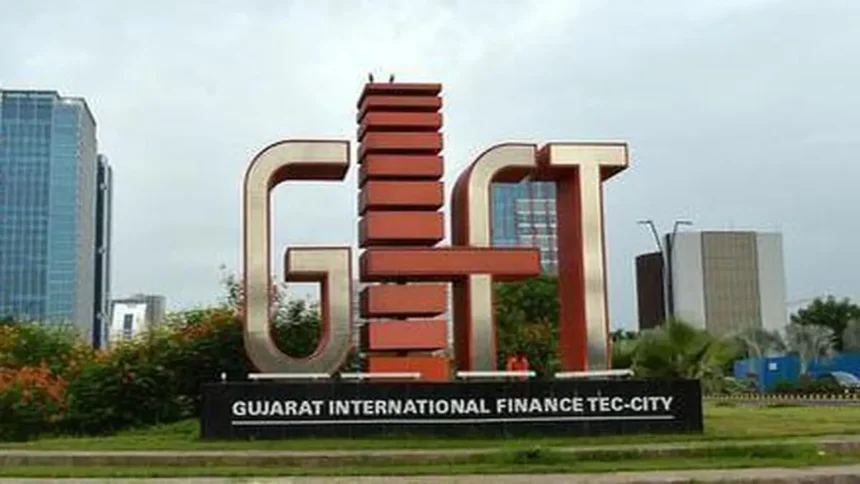
Global executive education provider XED Executive Development, which withdrew its proposed IPO from GIFT City’s International Financial Services Centre (IFSC) in March, is pursuing a $10 million private placement, while keeping open the option of a future listing.
XED Promoter and Managing Director John Kallelil said the company no longer depends on an IPO to raise capital and has already received investor commitments. “Our objective in GIFT City was to raise funds. There are various ways of doing that, and we are currently in the market to raise $10 million. We have already received a few commitments and are in the middle of a transaction,” Kallelil told businessline from New York.
XED remains committed to the GIFT City ecosystem and could revisit listing plans when market conditions are more favourable, he said. “We continue to value the support of GIFT City and, when the time is right, we will certainly look at coming back. We maintain all governance standards and approvals required for a public listing, so the conversation continues.”
XED was set to become the first company to use GIFT IFSC’s direct-listing framework through a proposed listing on NSE International Exchange (NSE IX) and India International Exchange (India INX). However, its withdrawal highlights a broader challenge facing GIFT IFSC. While the regulatory framework for direct overseas listings is in place, the investor ecosystem, needed to support regular equity issuances, is still evolving. The government introduced the Direct Listing Scheme and LEAP Rules in January 2024, followed by IFSCA’s listing regulations in August 2024, creating an alternative route for Indian companies to access foreign-currency capital.
Haigreve Khaitan, Managing Partner at Khaitan & Co, said market depth and liquidity will take time to develop. “Investors need confidence that listed stocks will have adequate trading volumes and liquidity. Building that ecosystem takes time, although momentum can accelerate quickly once it starts.”
The success of India’s domestic markets has also reduced the urgency for companies to list overseas, especially after reforms enabled start-ups to go public without a profit track record, he added.
IFSCA Chairman K Rajaraman said the IFSC route is intended to complement, not replace, domestic exchanges. While listings on the NSE and BSE provide access to rupee funding and domestic investors, GIFT IFSC offers companies access to global investors and foreign-currency capital.
The IFSC also provides dollar-denominated trading and tax exemptions for overseas investors. Regulators are exploring further measures, including a framework for listings without a public offer, and expect foreign companies to add momentum to the market, with at least one US-based company already filing for an IFSC listing.
Published on September 27, 2026