



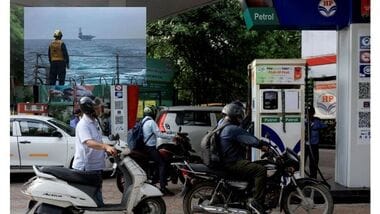
Petrol and diesel prices today, 10 September: Fuel rates across Indian cities witnessed marginal change on Thursday, 10 September across some Indian cities even as Brent oil edged toward $102 a barrel. State-run Oil Marketing Companies (OMCs) continue to insulate domestic customers from volatility in international energy prices. Fuel rates in India continue to align with 25 May price adjustment when petrol and diesel were increased by ₹2.7 to ₹2.8 per litre, respectively.
Since India follows dynamic fuel price method, petrol and diesel prices are revised daily at 6:00 AM but remain steady even after marginal changes. Hence, commodity prices have been stable for over three months despite significant fluctuation in global energy prices. Check latest petrol and diesel prices in your city on 10 September.
The global benchmark Brent crude oil edged toward $102 a barrel as hostilities flared across West Asia. Meanwhile, West Texas Intermediate traded around $97, Bloomberg reported. Injecting , fears of a prolonged US-Iran conflict drove energy prices higher for a fifth day. For the first time since July, Brent closed above triple figures on 9 September.
Although Brent crude remains below its wartime peak of $126 a barrel reached in April, but the global benchmark remains elevated by almost 70% this year amid concerns about deeper disruptions through the Strait of Hormuz, the strategic waterway through which about a fifth of the world’s oil and liquefied natural gas flowed.
According to US Energy Secretary Chris Wright told, under 11 million barrels a day of crude and oil products are moving through the Persian Gulf.
Tehran is prepared for a more and will escalate its counterstrikes if the US continues attacking its territory and infrastructure, Iran’s senior official informed Bloomberg. Despite American naval blockade of Iranian ports and attacks on its oil tankers, Tehran has no intention of backing down. The official further noted that the Islamic Republic has been rebuilding its military capabilities since the most intense period of the war ended in April and has enough missiles for a lengthy conflict during the existential threat.
IRGC on 9 September announced that a new “prohibited zone” outside the Hormuz would cover parts of the Gulf of Oman and beyond. While Iran is prepared for a full-out war, US President on Wednesday downplayed concerns about rising oil prices and a war he said would be over in weeks ahead of midterm congressional elections scheduled for November.
The tit-for-tat strikes in the seventh month of the war have pushed up energy prices with Iran’s new security chief, Mohsen Rezaee, signaling a more aggressive stance. suggesting that Tehran’s military posture toward US ships and bases had been “fundamentally recalibrated.”
Most recently, Washington claimed that it destroyed five of Iran’s energy tankers after one of its warships evaded an attack. In response, Tehran fired around 20 missiles at Jordanian airbase used by the US and struck more American navy ships and commercial vessels.
Since collapse of June accord, no official peace talks have been held and there’s little sign of the sides returning to the negotiating table.