



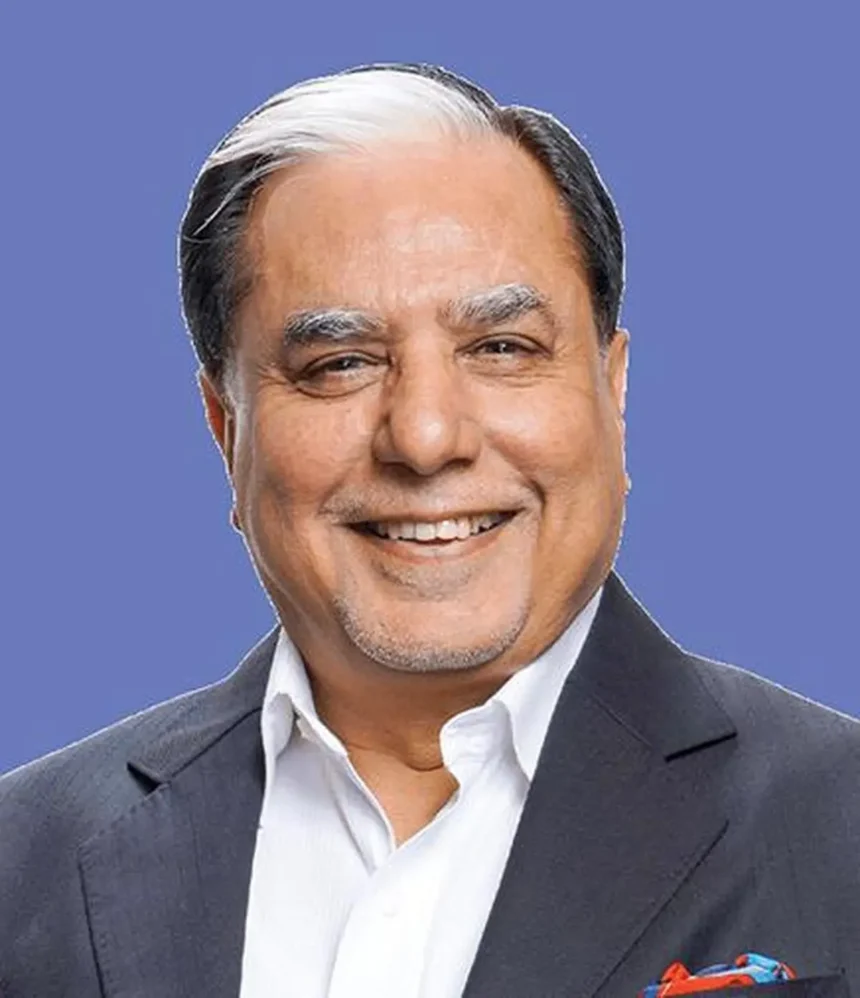
Zee Entertainment Enterprises Founder Subhash Chandra has sent letters threatening to sue social media platforms Meta, YouTube, X, and LinkedIn India if they fail to amend earlier content regarding the personal insolvency case within a week’s time. The Hindu Businessline, which has been covering these developments, also received a letter from Chandra’s office.
Stipulating a week’s time, Chandra asked the platforms to erase “the wrong information published by any and all accounts, between August 26 and 29” and to publish Chandra’s “clarification” on the matter.
“I am constrained to state that I have instructed my legal advisor to take defamation proceedings against all who fail to comply with my request,” said Chandra in his letter viewed by businessline.
The media baron’s grouse lies with content pertaining to the National Company Law Tribunal (NCLT) judgment that approved a repayment plan of ₹6.5 crore against a total debt of ₹22,000 crore. As per Chandra, the information shared on the respective platforms “wrongly” reports the total borrowing of ₹22,000 crore as his, when his actual borrowing is in fact “nil.”
My borrowing was nil. However, certain platforms reported that my borrowing amounted to ₹22,000 crore. I was only a personal guarantor, and as per the Insolvency and Bankruptcy Code, only the money owed by me can be part of the repayment plan. Hence, the Resolution Professional devised a plan of ₹6.25 crore plus ₹25 lakh for expenditures,” said the letter.
The letter further argued that the claim admitted in the NCLT pertaining to the banking system of India, on the date of filing the claims, was ₹3,992 crore. As of August 26, the claims of PSU Banks are ₹1,834 crore; other private entities’ claims that have objected are ₹1,317 crore, making a total of ₹3,317 crore.
“Total payable as per the borrowing entity’s ledger is showing ₹1,130 crore. However, they have assured me that they are prepared to sit with all claimants of ₹3,317 crore, as mentioned in item 4 above, and reconcile the accounts, settle and pay the real outstanding amount,” said Chandra.
According to legal research database platform IBC Laws, the guarantor is liable to the same extent and at the same time as the borrower under Section 128 of the Indian Contract Act of 1872.
Published on September 9, 2026