Ethanol-blended fuel has emerged as a key topic of discussion in India’s energy and automotive sectors. While crude oil supplies from the Middle East have reportedly stabilized, uncertainties surrounding long-term peace and geopolitical stability in the region continue to raise concerns about energy security. Against this backdrop, countries across the world are looking at alternative fuel options to reduce dependence on imported fossil fuels.
India has made significant progress through its ethanol blending programme, with already contributing to lower crude oil imports and helping curb the country’s fuel import bill. However, policymakers believe there is room to go further. To strengthen energy independence, the government is now evaluating higher ethanol blends beyond E20.
While the ultimate objective remains widespread adoption of flex-fuel vehicles capable of running on E85 and E100, intermediate blends such as E22, E25, E27 and E30 are being considered as practical stepping stones. The challenge, however, lies in vehicle compatibility. Most vehicles currently on Indian roads have been designed for E20 or lower concentrations, raising concerns about their ability to safely use higher blends.
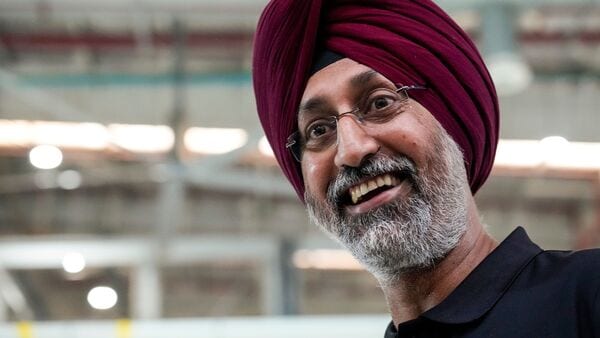
During a recent interaction with Car and Bike, MINI India and BMW Group India President and CEO Hardeep Singh Brar addressed the issue of higher ethanol blends and their impact on existing vehicles. When asked whether cars currently in use could be upgraded to support E30 fuel, Brar indicated that such a transition may not be straightforward.
He explained that the effects of higher ethanol content on engines, fuel systems and other vehicle components need to be studied thoroughly before implementation. The concern becomes even more significant considering that millions of vehicles on Indian roads are more than ten years old and were never designed to handle E20 fuel, let alone higher blends.
Mandatory production of E20-compatible vehicles began only in April 2023, which means a large portion of the existing vehicle fleet predates these standards. While future vehicles engineered specifically for higher ethanol content may be able to operate without issues, uncertainty remains regarding the performance and durability of older models.
Brar also suggested that some concerns have already surfaced among MINI customers. Although he did not elaborate extensively, he indicated that fuel-related compatibility issues could create avoidable challenges for manufacturers and consumers alike. For a premium brand seeking to expand its footprint in India, any disruption linked to changing fuel standards could affect customer confidence.
Brar stressed that government agencies should ensure that the rollout of new fuel blends does not negatively impact vehicles already on the road. His comments align with reports suggesting that authorities may consider offering multiple ethanol-blended fuel options at petrol pumps, allowing consumers to choose the fuel most suitable for their vehicles.
Such a system could help ease the transition as testing and evaluation of higher ethanol blends continue. By making different fuel grades available simultaneously, the government may be able to avoid widespread compatibility concerns while gradually increasing ethanol usage.
Brar also highlighted the importance of providing clear timelines well in advance whenever new fuel mandates are introduced. According to him, automobile manufacturers require sufficient lead time to make engineering changes, conduct validation tests and ensure compliance with upcoming regulations.
He emphasized that transparency and policy certainty are critical for the industry, enabling carmakers to align product development plans with future fuel requirements without creating confusion among consumers.
Apart from discussing ethanol-related developments, Brar also outlined MINI’s expansion strategy for the Indian market. The company is increasingly focusing on Tier II and Tier III cities, where demand for premium vehicles has shown strong growth in recent years.
MINI plans to strengthen its presence in several emerging markets, including Jaipur, Jodhpur, Patna, Ranchi, Calicut, Vijayawada and Mangalore. According to the company, these cities have witnessed rising interest in the brand’s products and represent significant growth opportunities.
Commenting on the India-UK Free Trade Agreement, Brar said the pact is unlikely to have an immediate impact on MINI vehicle prices in India. He noted that MINI’s manufacturing operations are not entirely dependent on the United Kingdom, limiting the direct influence of the trade deal on pricing. However, he added that if any policy-driven changes emerge over the next six months, customers could potentially receive refunds where applicable.
Brar also spoke about the recently launched Countryman C, which features approximately 50 per cent localisation. Combined with local assembly operations, the higher localisation level has enabled MINI to price the vehicle competitively at ₹47.5 lakh.
The company is targeting sales of 1,000 units in India this year, a milestone that would mark its highest-ever annual sales performance in the country and underscore its growing confidence in the Indian premium car market.