



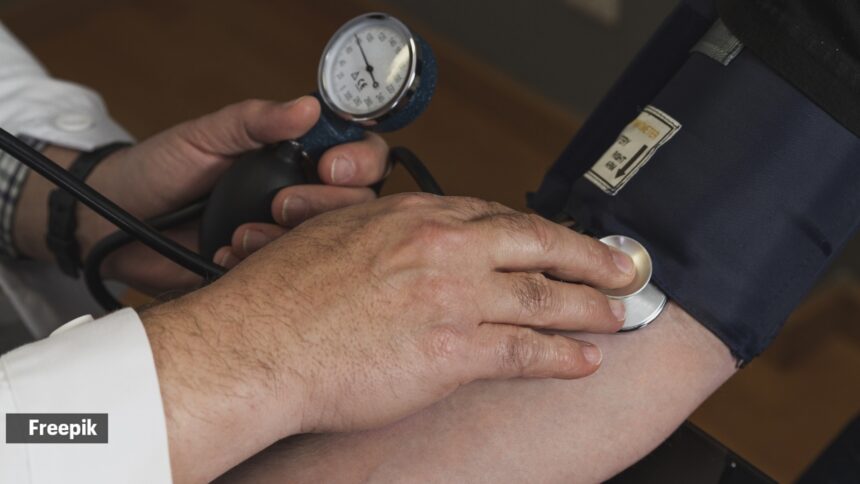
Does blood pressure medication have to be taken forever? In response to this Quora query, Dr Vimlesh Pandey, consultant cardiologist at KIMS Hospitals, Thane, clarified that it depends on why a person has high blood pressure and how well it’s managed over time. “High blood pressure, or hypertension, is often a long-term issue influenced by factors such as age, family history, weight, , stress, and physical activity. For many people, medication is crucial for keeping blood pressure in a healthy range and lowering the risk of heart attack, stroke, kidney disease, and other complications,” said Dr Pandey.
DISCLAIMER:
However, being prescribed blood pressure medication does not mean a person has to take it for life. “In some cases, especially when hypertension is identified early, significant lifestyle changes can lead to major improvements,” said Dr Pandey.
Yes. Losing weight, exercising regularly, cutting back on salt, managing stress, limiting alcohol, quitting smoking, and following a heart-healthy diet can all significantly affect blood pressure levels. Dr Pandey noted that some individuals who make these changes and stick with them may find their blood pressure stays well controlled. “In those situations, a doctor may think about lowering the medication dose or, in some cases, gradually stopping some medicines while continuing to monitor the patient closely,” said Dr Pandey.
That said, lifestyle changes should be seen as a backup to treatment, not a replacement for it without medical advice.
This is a common misunderstanding, noted Dr Pandey. “Blood pressure often normalises because the medication is effective. Stopping treatment suddenly can cause to rise again, sometimes without obvious symptoms,” he described.
Many people with hypertension feel fine even when their blood pressure is dangerously high. “This is why decisions about changing or stopping medication should always be discussed with a ,” said Dr Pandey.
Instead of worrying about whether medication is temporary or permanent, the focus should be on achieving long-term blood pressure control. “For some people, that may mean lifelong treatment. For others, ongoing may allow them to reduce their medication over time. The best approach is regular monitoring and personalised medical advice rather than making changes based solely on a few normal readings,” said Dr Pandey.
DISCLAIMER:

