



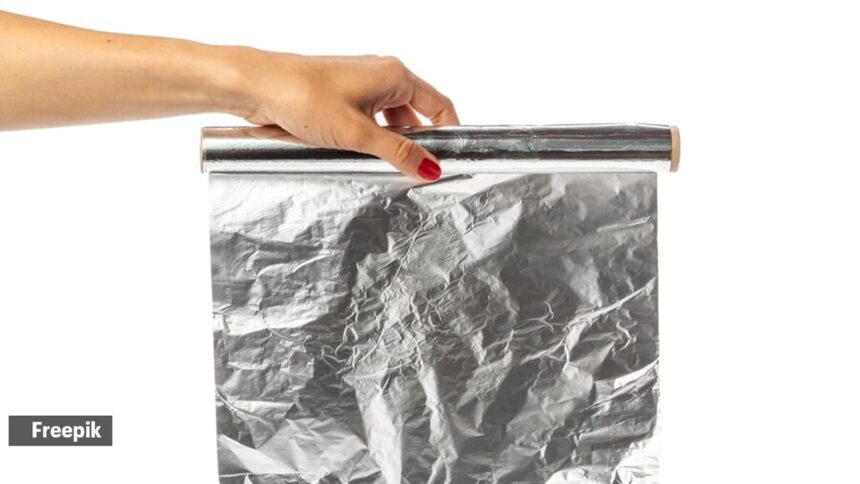
The aluminium foil you wrap your food in may not be the best health investment. According to health educator Prashant Desai, foil contains more aluminium than 400 cans of soda, exposing one to the harmful effects of metal leaching into the food wrapped. “The problem is that transfer doubles when you use aluminium. It not only affects your cognitive health but also minerals in the body and reduces the absorption of iron and magnesium from food,” Desai said on Instagram.
But before we discuss the claim, let’s understand why one should be cautious about the percentage of aluminium in the body.
Dr Manjusha Agarwal, senior consultant, internal medicine, Gleneagles Hospital Parel, , said that excess aluminium in the body can impact the brain, leading to memory problems and confusion. “It may also affect bone health and, in people with kidney issues, increase the risk of toxicity,” said Dr Agarwal.
DISCLAIMER:
Sometimes, food like meat or fish is wrapped in aluminium foil and then cooked at high temperatures in the oven. “This causes aluminium to leach into the food, and long-term consumption of such food can lead to high levels of aluminium in the body. Excessive levels of aluminium in the body can cause neurological problems like dementia, musculoskeletal issues like osteoporosis, and hypertension,” added Dr Manish Itolikar, consultant physician, Fortis Hospital Mulund.
Is there any truth to the claim that there is more aluminium in foil wrap than in 400 soda cans?
Dr Narander Singhla, lead consultant, internal medicine, CK Birla Hospital®, , said a standard 12-ounce soda can contains approximately 13 to 15 grams of aluminium. Based on this, the total aluminium content in 400 cans would range from 5,200 grams (13 grams × 400) to 6,000 grams (15 grams × 400), roughly 5.2 to 6 kilograms.
In contrast, a standard roll of foil typically weighs around 200 grams, although this can vary depending on the size and thickness of the roll. “For example, a smaller roll might weigh around 100 grams, while a larger, heavier-duty roll could weigh up to 500 grams or more. Even in the case of a large roll, the amount of aluminium would still be significantly less than—or at best, comparable to—the aluminium content in 400 soda cans,” contended Dr Singhla.
Therefore, based on these estimates, a single roll of aluminium foil, even on the heavier side, contains less aluminium than 400 soda cans, said Dr Singhla.
“However, if multiple rolls or industrial-sized foil wraps are considered, the total aluminium content could approach or exceed that of the cans. Ultimately, both aluminium cans and foil wraps represent of aluminium,” said Dr Singhla.
To reduce aluminium consumption, focus on dietary changes and cookware choices. “Cut down on processed foods with aluminium-containing food additives or preservatives. Choose only fresh, whole foods. When cooking, avoid aluminium cookware, too. One can go for stainless steel, cast iron, or ceramic cookware. Moreover, also avoid wrapping acidic or salty foods in aluminium foil, which tend to react with aluminium immediately,” said Dr Agarwal.
DISCLAIMER:

