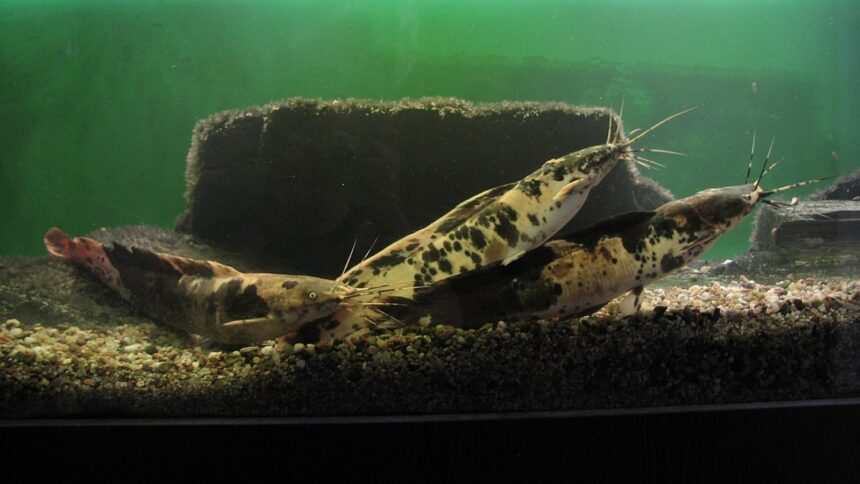
The concerns around Thai Mangur, the banned catfish in India since 2000, are no longer limited to food habits or fish markets. Experts believe that the controversial fish poses a dual threat, one to India’s aquatic ecosystems and another to public health.
According to Indrajit Ghorpade, Thai Mangur is not just another commercially farmed species, but an aggressive invasive fish that can severely disrupt ecological balance.
“Thai Mangur is an aggressive invasive species. All invasive species are detrimental to the ecosystem and
Over the years, several non-native species, such as Nile Tilapia, carp, and catfish, were introduced into India for commercial aquaculture because they grow quickly, survive in harsh conditions, and are relatively easy to cultivate. However,Ghorpade warns that these very traits have now turned them into ecological threats.
“Nile Tilapia, carp, and catfish were introduced for commercial farming. But they have escaped into the environment,” Ghorpade explained. He compared the threat to the spread of Burmese pythons in Florida, where invasive predators dramatically altered local ecosystems.
“Like Burmese Python in Florida, they pose a serious threat, and there is an urgent need to eradicate them from our riparian and riverine ecosystems,” he added.
These aggressive, non-native fish outcompete indigenous species for food, degrade water quality, and harm biodiversity in rivers and reservoirs across the country, Ghorpade said.
Their rapid growth and adaptability make them especially difficult to control once they spread into natural water bodies. “The inherent traits of these species that were appealing for introduction — such as rapid growth in both size and population, ease of cultivation and maintenance, and tolerance to harsh conditions, have given them a distinct advantage over native fishes,” he noted.
Ghorpade also pointed out that India still lacks sufficient data and stronger legal mechanisms to fully assess and manage the ecological damage caused by invasive aquatic species.
“There is a lack of comprehensive information regarding the ecological and economic impact of aquatic invasive species,” he said. “Accurately estimating the impact of invasive species on native biodiversity is crucial in guiding policymakers.”
While the Wild Life (Protection) Amendment Act 2022 includes provisions related to invasive species, he believes
Beyond environmental concerns, doctors warn that the conditions in which Thai Mangur is often farmed can create serious food safety risks for consumers.
According to Dr Manish Dodmani, Consultant – Gastroenterology, KIMS Hospitals, Thane, the concerns surrounding Thai Mangur is closely linked to hygiene concerns and contaminated farming practices.
“Thai Mangur has remained controversial largely because of the conditions in which it is often farmed and the potential health risks linked to contaminated feed and polluted water,” Dr Dodmani explained.
One of the biggest concerns is food-borne illness. “If the fish is raised in unhygienic environments, consumers may be exposed to harmful bacteria, parasites, or chemical residues that can trigger severe stomach infections, vomiting, diarrhoea, and food poisoning,” he said.
Dr Dodmani warned that the risks may not stop at short-term stomach infections. Unsafe aquaculture practices can also lead to long-term exposure to toxic substances.
“Fish raised using unsafe feed or excessive antibiotics may accumulate toxic substances in their tissues,” he noted. “Repeated consumption over time can affect liver function, gut health, and may even contribute to antimicrobial resistance.”
Another major issue is the widespread use of antibiotics in overcrowded fish farms.
“Farmers sometimes use antibiotics to prevent infections in overcrowded ponds. Residues of these drugs may remain in the fish and enter the human body after consumption,” Dr Dodmani explained.
According to him, this can disrupt the body’s natural gut microbiota and contribute to antibiotic resistance, a growing global health concern where standard medicines become less effective against infections.
Dr Dodmani stressed that the biggest concern lies in poorly monitored aquaculture systems. “In poorly monitored farms, fish may be raised in stagnant or contaminated water with high bacterial load,” he said. “Some reports over the years have also highlighted the use of waste-based or low-quality feed, which can introduce harmful pathogens and toxins into the food chain.”
Microbes such as Salmonella and E. coli may then enter the human digestive system, especially if the fish is improperly handled or undercooked. For consumers, he recommends caution and awareness while purchasing seafood. “The safest approach is to buy seafood from regulated and trusted sources, ensure proper cooking, and avoid fish that may have been farmed under questionable hygienic conditions,” Dr Dodmani advised.