In demanding professions, one may be expected to work through fatigue, illness, or discomfort, especially when precision is part of the process. However, when factors such as enter the equation, the body is already undergoing significant physiological changes that can influence balance, stamina, energy levels, and physical comfort.
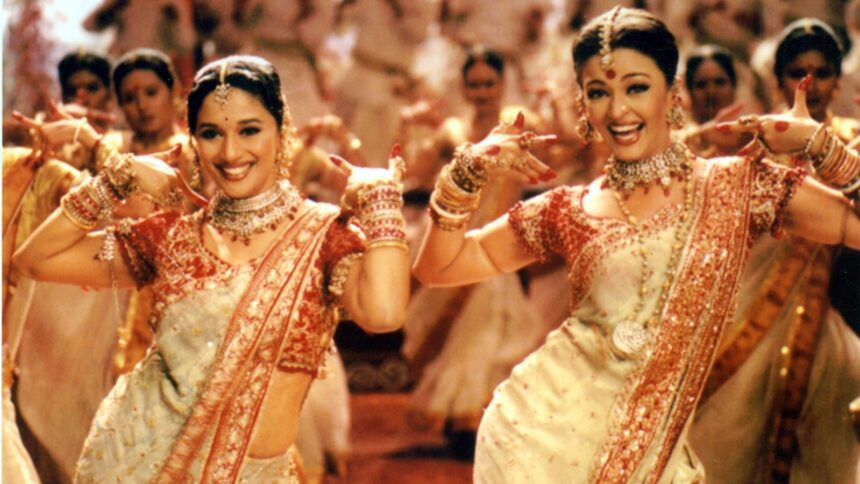
A lesser-known detail from the making of the iconic Dola Re Dola from Devdas has recently resurfaced through choreographer Saroj Khan’s longtime associate, Rubina Khan. Recalling the scale of preparation behind the song in a conversation with Bollywood Thikana, Rubina shared, “It took 17 days to shoot that song. Rehearsals happened for at least a month. We rehearsed separately, and the lead actors rehearsed separately.” She further revealed that one particular movement required repeated attempts because of Madhuri Dixit’s condition at the time.
DISCLAIMER:
Describing the experience, Rubina said, “There’s a step in which Madhuri ma’am turns and sits down. That shot kept happening from 9 am to 10 pm because she was four months pregnant. So, she couldn’t turn properly and was feeling dizzy.” She added, “She also had a fever at that time. She struggled a lot,” while also noting Madhuri’s determination and discipline during rehearsals. According to Rubina, “She’d never ask for a step to be changed. Whatever Master ji said is set in stone.” She contrasted this with changing attitudes among younger performers, saying, “Newer artists would still tell Master Ji a step is tough and if it can be changed. But Master Ji would seldom change a step, she suggested. She insisted on doing the same step anyhow.”
Dr Palleti Siva Karthik Reddy, MBBS, MD, general medicine, FAIG, Consultant physician at Elite Care Clinic, tells indianexpress.com, “During the second trimester, the body undergoes major cardiovascular and hormonal changes to support the growing fetus. Blood volume increases significantly, , and blood pressure can fluctuate, which may contribute to dizziness or lightheadedness during prolonged physical activity.”
At the same time, he notes that the shift in the body’s centre of gravity affects balance and coordination, making repetitive turns or extended dance rehearsals more physically demanding. Hormonal changes also loosen joints and ligaments, which increases the risk of strain and fatigue during high-intensity movement.
There is a clear difference between temporary fatigue and physiological distress. Normal tiredness usually improves with hydration, food intake, short breaks, or sleep.
Dr Reddy states, “However, symptoms such as persistent dizziness, chest discomfort, breathlessness, blurred vision, palpitations, fever, severe weakness, or difficulty concentrating should never be ignored. These are signals that the body is under excessive stress, and continuing activity can worsen the condition. In pregnancy, especially, warning signs should be taken seriously because maternal strain can also impact fetal well-being.”
Dedication becomes harmful when the body starts compensating rather than coping. Pain, repeated exhaustion, dizziness, or physical instability are not signs of strength to ignore, but indicators that recovery is needed.
“During pregnancy, the body is already functioning under increased physiological demand, so overexertion can elevate the risk of dehydration, injury, and . From a medical standpoint, sustainable performance always matters more than pushing the body beyond safe limits for short-term results,” concludes Dr Reddy.
DISCLAIMER: