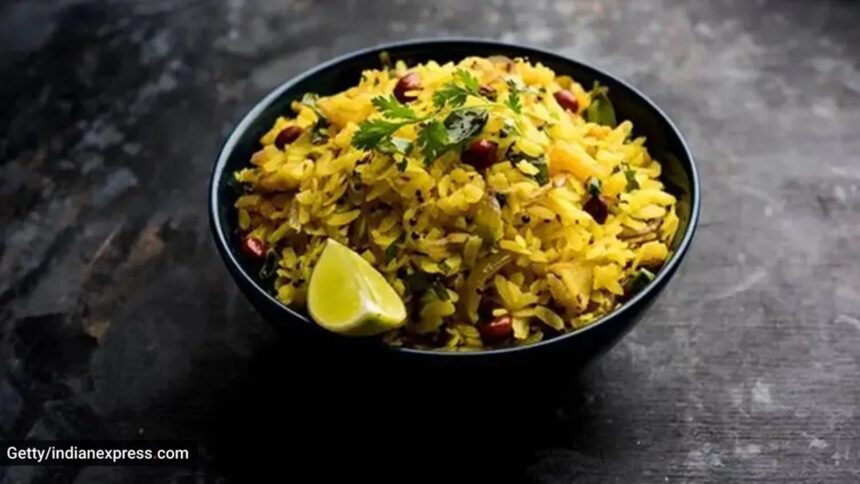
Chef Sanjeev Kapoor recently spoke about poha, noting that it is not a healthy breakfast option. “Poha is a comfort food. But it is not . If rice was bad, poha is even worse. If you want to see your sugar spike, then eat poha for breakfast. The spike will be (gestures up),” he told ANI in its podcast.
But is it true?
DISCLAIMER:
Dr Vijay Negalur, HoD of diabetology at KIMS Hospitals, Thane, called it “a bit of an oversimplification”. “Poha is made from flattened rice, so yes, it is a refined carbohydrate and can raise blood sugar levels, especially when eaten in large portions or on its own. But calling it ‘worse’ than rice misses the full picture. The impact of any food on blood sugar depends not just on the ingredient, but also on portion size, how it’s prepared, and what it is paired with. A plain, large serving of poha can cause a quicker spike, but that can be managed,” said Dr Negalur.
Poha is relatively low in fibre and protein. These nutrients usually help slow down glucose absorption. “Because it is processed and flattened, it gets digested faster, which leads to a quicker rise in . This is similar to other refined grain-based foods. However, the effect varies from person to person, depending on metabolism and what else is in the meal.”
Not necessarily. “Foods like poha don’t have to be eliminated; they just need to be eaten more thoughtfully. Portion control is key, and it helps to avoid eating it on its own. Combining poha with protein sources like peanuts, sprouts, or curd, and adding vegetables can make the meal more and reduce sudden spikes in blood sugar,” said Dr Negalur.
Yes, small changes can make a big difference. Adding fibre-rich vegetables such as peas, carrots, or capsicum, and including a source of healthy fat or protein can slow . “Choosing a moderate portion and avoiding sugary drinks also helps. Even simple habits like eating slowly can affect how the body handles glucose.”
Rather than labeling foods as “good” or “bad,” it’s more practical to focus on overall eating habits. “Balanced meals, portion awareness, and consistency matter much more. Occasional spikes are less concerning than long-term patterns. The goal should be sustainable eating in a way that keeps blood sugar stable without making the diet overly restrictive.”
DISCLAIMER: