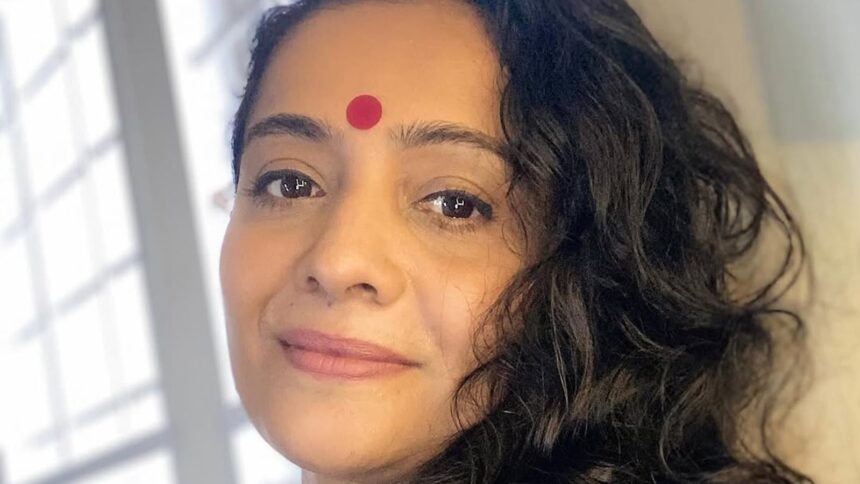
Actor Meera Vasudevan recently spoke candidly about the emotional toll her personal relationships have taken on her life. Reflecting on years marked by failed marriages and , she admitted that she now looks back at that period with regret and a sense of lost time.
Speaking about her personal journey during a conversation with Dhanya Varma, Meera said, “I could have done so much more with my life, but I couldn’t. I could have spent a lot of time with my father, mother, and sister. Instead, I wasted that time on others… I wasted so much time in relationships with people who never really took me seriously or respected me.” Her remarks come after three marriages that ended in separation over the years — first with Vishal Agarwal in 2010, then with actor John Kokken in 2016, and later with cinematographer Vipin Puthiyankam in 2025.
Meera’s reflections bring attention to a deeply personal but widely relatable experience — the emotional exhaustion that can come from unhealthy relationships, repeated disappointments, and feeling unappreciated despite investing years of emotional energy into others. Her comments also raise important questions about self-worth, emotional boundaries, regret, and the process of rebuilding one’s identity after painful relationships. Many people, especially after difficult breakups or divorces, often struggle with guilt over “lost years” and wonder how to regain confidence and control over their lives again.
Sonal Khangarot, licensed rehabilitation counsellor and psychotherapist, The Answer Room, tells indianexpress.com, “Many people grieve failed relationships not only because they lost a person, but because they lost time, hope, emotional investment, and the version of life they imagined. It is important to understand that staying in a relationship that later proves unhealthy does not make someone foolish or weak. Most people stay because they were trying to love, repair, trust, or hold on to emotional attachment and possibility.”
She adds that healing begins when individuals stop viewing the relationship purely as a “waste” and start recognising what it revealed about their needs, boundaries, attachment patterns, and emotional wounds. Bitterness grows when pain remains unprocessed, while self-blame grows when people rewrite the past with information they only have today. A healthier approach is to acknowledge both truths simultaneously — “I deserved better” and “I did the best I could with the emotional awareness I had then.” Growth often comes from painful experiences, but that does not mean the experience defines your worth.
Emotionally draining or one-sided relationships often reveal themselves gradually, which is why many people recognise the damage only much later.
Khangarot mentions that common signs include “constantly feeling emotionally exhausted, walking on eggshells, over-explaining your needs, sacrificing personal wellbeing to maintain peace, losing touch with friends or family, and feeling responsible for the other person’s moods or stability.” In , one partner usually does most of the emotional labour while the other takes emotional access for granted. People may also begin abandoning hobbies, routines, boundaries, and even their sense of identity while prioritising the relationship.
“Learning healthier boundaries starts with paying attention to discomfort instead of dismissing it as ‘adjustment’ or ‘love.’ Boundaries are not about controlling others; they are about recognising when something repeatedly harms your mental wellbeing. Emotional maturity includes understanding that love should not consistently require self-abandonment, chronic anxiety, or loneliness within the relationship itself,” concludes Khangarot.