



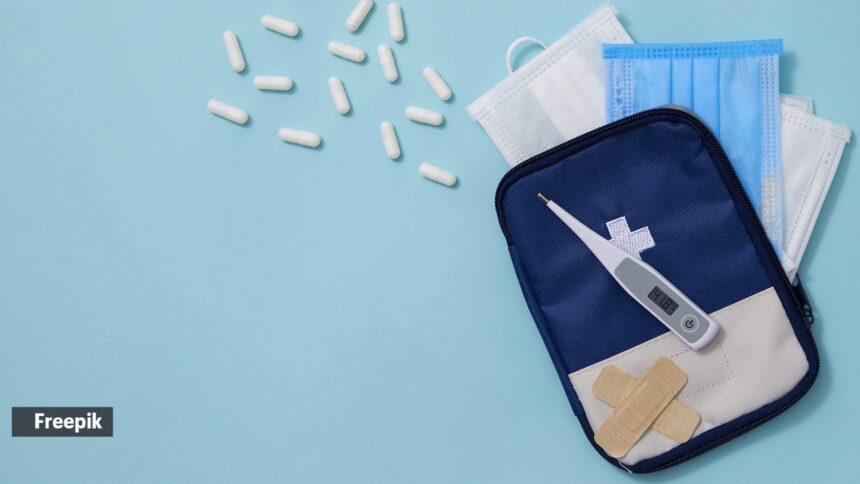
Travellers often focus on passports and visas but forget that customs screens medicines too. A medicine that is easy to obtain over the counter or by prescription in India may be restricted or even banned in other countries. “Different nations have different drug rules, especially for medicines related to pain relief, anxiety, sleep disorders, ADHD, or certain cough syrups with codeine-based ingredients,” said Dr Sundar Krishnan, senior consultant, internal medicine, KIMS Hospitals, Thane.
DISCLAIMER:
According to him, carrying large quantities without documentation can raise suspicion, even if the medicines are meant for personal use, said Dr Sundar.
Dr Sundar described that customs authorities in many countries are strict about the entry of medicines into their borders. “Problems typically arise when travellers carry unlabelled strips, too much stock, or medicines without a . In some countries, even common prescription drugs need prior approval or declaration,” said Dr Sundar.
He also said that carrying more medication than necessary raises suspicion. “If travelling for two weeks but has six months’ worth of tablets, officials may question the purpose. This is especially important for medicines affecting the nervous system, strong painkillers, or injectable drugs,” said Dr Sundar.
What precautions should people on regular medication take before travelling abroad?
The safest approach is to carry medicines in their original packaging, along with a doctor’s prescription that clearly states the patient’s name, diagnosis, and dosage. “A short medical summary or fitness note can also help during emergencies or airport checks,” said Dr Sundar.
People with diabetes, thyroid disorders, blood pressure issues, asthma, or heart conditions should ideally bring a little extra medication in case of travel delays, but within . It is also wise to check the embassy or official health website of the destination country before travelling.
Do not assume that routine medicines are universally accepted. “Something as simple as a sleeping pill or strong cold medication can cause issues abroad if not properly documented. Planning ahead helps avoid unnecessary panic at immigration counters and ensures continuity of treatment during travel,” said Dr Sundar.
According to the Centers for Disease Control and Prevention (CDC), before travel, one should check with the destination’s embassy. and embassies of countries that you have layovers in to make sure your medicines are permitted. “Many countries allow a 30-day supply of certain medicines, but also require the traveller to carry a prescription or a medical certificate from their health care provider. If your medicine is not allowed at your , talk with your health care provider about alternatives and have them write a letter describing your condition and the treatment plan. You may also want to check the International Narcotics Control Board that provides general information about narcotics and controlled substances, for countries that have information available, for travelers,” it read.
Another tip is to keep medicines in their original, labeled containers. “Ensure that they are clearly labeled with your full name, health care provider’s name, generic and brand name, and exact dosage,” the CDC guide noted.
DISCLAIMER:



