US President Donald Trump said Friday he was “not satisfied” with Iran’s latest proposal to end the war, casting doubt over a potential diplomatic breakthrough even as Tehran attempts to revive talks. “They want to make a deal, I’m not satisfied with it, so we’ll see what happens,” Trump told reporters at the White House, news agency Associated Press reported.
Trump did not elaborate on what he sees as the proposal’s shortcomings. He said negotiations have continued by phone after he called off his envoys’ planned trip to Pakistan last week, and described Iran’s leadership as divided.
“It’s a very disjointed leadership. They all want to make a deal, but they’re all messed up.”
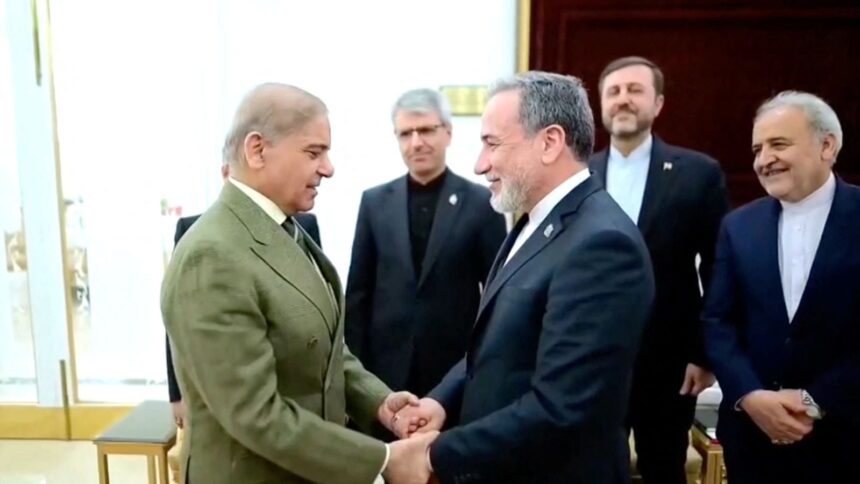
The remarks came after Tehran submitted a new proposal for negotiations with Washington, in a move seen as an attempt to break weeks of deadlock, Reuters reported. Iranian state media and a Pakistani official involved in mediation efforts said the proposal was delivered late Thursday and forwarded to the US, though details remain undisclosed, according to Reuters.The development comes amid a fragile ceasefire in place since April 8 that has yet to translate into a broader de-escalation.
The geopolitical backdrop remains volatile. The closure of the Strait of Hormuz — through which roughly 20% of global oil and gas flows — has severely disrupted energy markets, pushing prices above $100 a barrel. Oil prices eased slightly after news of the proposal, but markets remain jittery amid uncertainty over further escalation, Reuters said.
Even as tensions persist, the Trump administration has argued that hostilities have effectively ended due to the ceasefire — a position that could allow it to bypass congressional approval under the War Powers Resolution, AP reported.A senior administration official said that, for the purposes of the law, “the hostilities that began on Saturday, Feb. 28 have terminated,” noting there has been no direct exchange of fire since early April, AP reported.
On the ground, both sides appear to be preparing for possible escalation. Iran has activated air defences and is bracing for a potential “short, intensive” US strike, possibly followed by Israeli action, according to Reuters. A senior Iranian Revolutionary Guards official warned that any new US attack would trigger “long and painful strikes” on American positions in the region.
Aerospace Force Commander Majid Mousavi said, “We’ve seen what happened to your regional bases; we will see the same thing happen to your warships.”
The crisis has raised alarm among Gulf states. UAE presidential adviser Anwar Gargash said freedom of navigation in the Strait must be guaranteed by international law, adding, “No unilateral Iranian arrangements can be trusted or relied upon following its treacherous aggression against all its neighbours.”
Meanwhile, Washington has floated plans for a maritime coalition — the “Maritime Freedom Construct” — to secure commercial shipping lanes. European allies, including France and Britain, have held discussions but indicated they would participate only after active hostilities end, Reuters reported.
Despite economic strain from US naval blockades and curtailed exports, Iran appears capable of sustaining a prolonged standoff. Washington is weighing options, including extending the blockade, launching limited strikes, or declaring a unilateral victory, Reuters said. With thousands killed — mainly in Iran and Lebanon — and global energy markets on edge, Tehran’s latest proposal offers a possible diplomatic opening. But with Trump publicly rejecting it for now, prospects for a quick resolution remain uncertain.
(With inputs from AP, Reuters)