



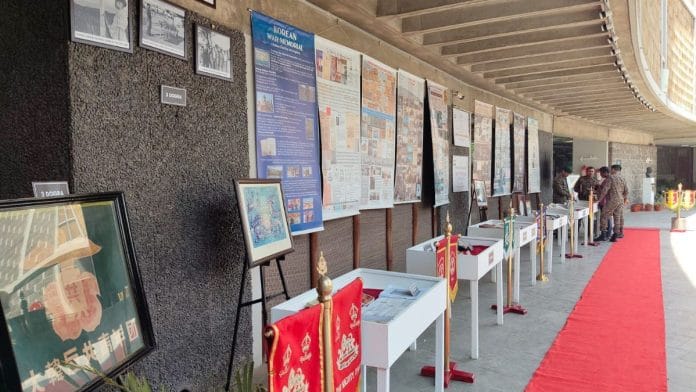
Curated by Colonel D.P.K. Pillay (Retd) at the India International Centre in New Delhi from 21 to 30 April 2026, the exhibition was inaugurated by South Korea Minister of Foreign Affairs, Cho Hyun. Defence Secretary Rajesh Kumar Singh was also present.
Colonel Pillay, who is also the International Research Adviser to the Korean War Memorial, said the exhibition documented the history of the first war where the United Nations deployed the use of collective security to halt a conflict.
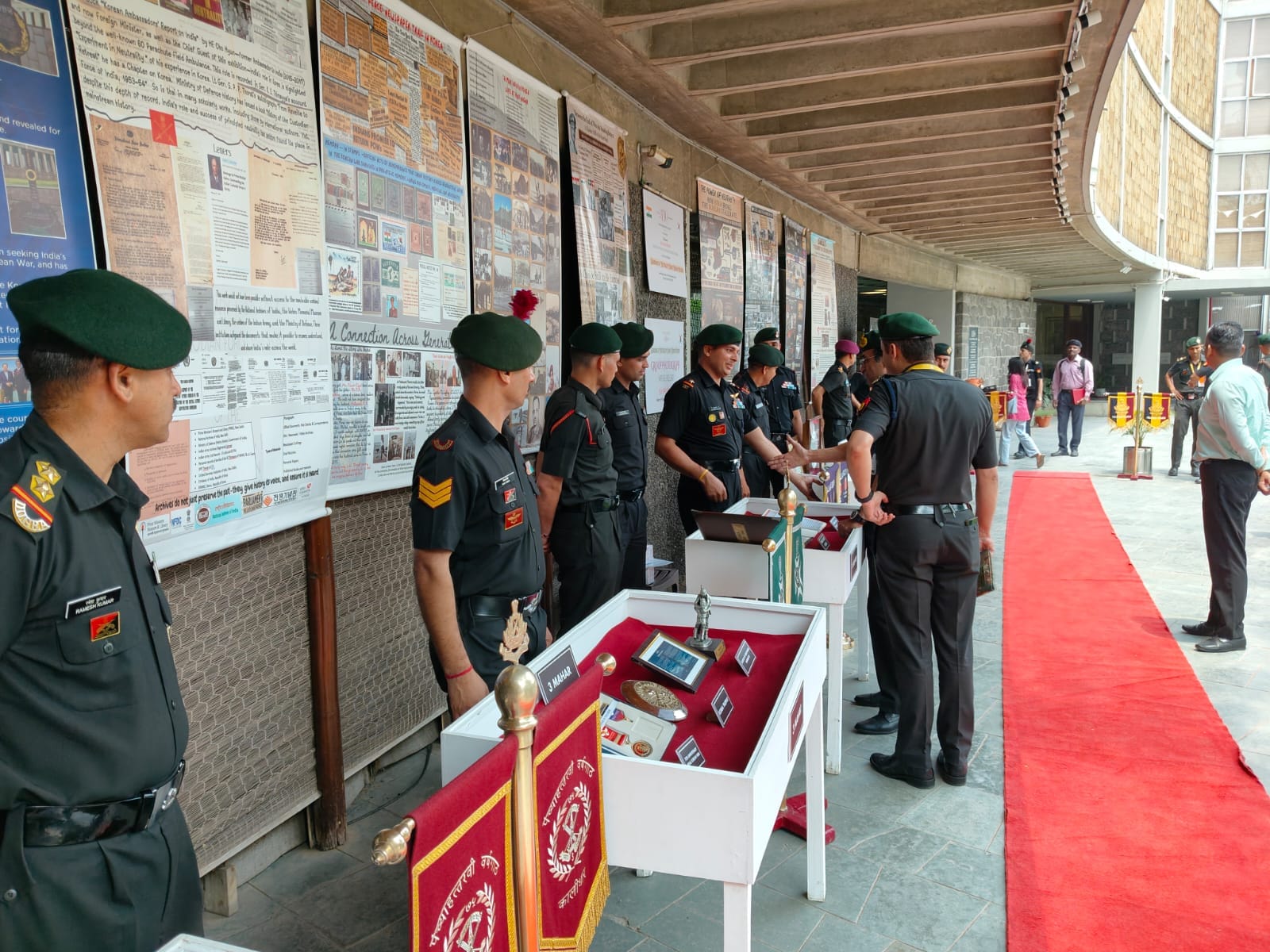
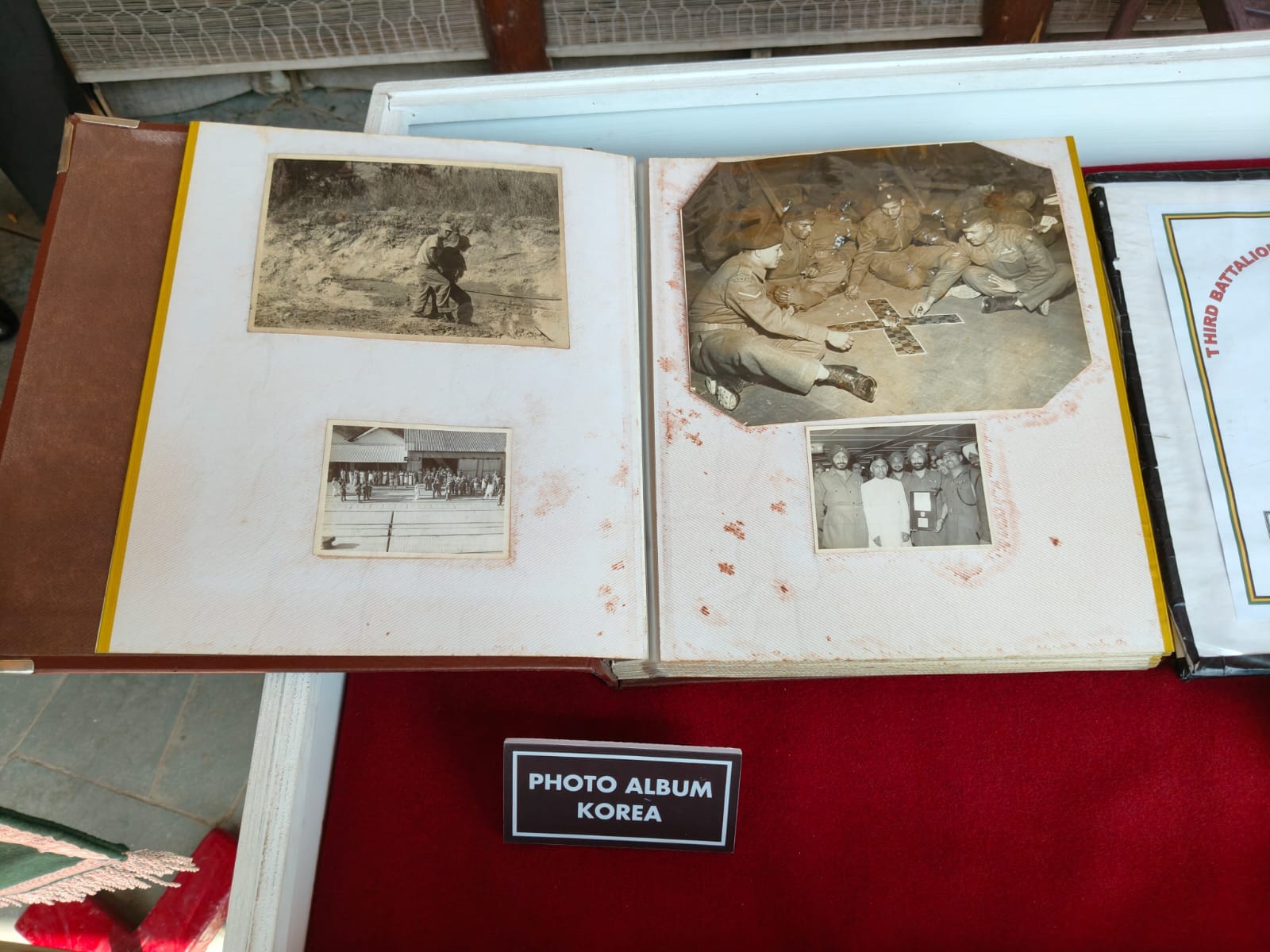
“Thus, a broad coalition of 16 combatant nations and five medical missions was sent to the warring peninsula. India was a member in the medical missions, sending over 6,000 boots on the ground alongside the airborne 60th Parachute Field Ambulance. India was sending out a message to the world: it was not sending troops for combat. It only made a humanitarian commitment, demonstrating its principled neutrality,” the retired Army officer said.
India went on to play a crucial role in breaking a sticky deadlock over an intractable issue: the repatriation of prisoners of war. Led by V.K. Krishna Menon, India’s Permanent Representative to the UN, India relentlessly lobbied the various powers involved, and its penned resolution ultimately ended the stalemate by establishing the principle of voluntary repatriation under the watch of an independent commission.
India also walked a tightrope by chairing the Neutral Nations Repatriation Commission (NNRC), a body evenly divided between members of the Western and Eastern blocs.
The Indian endeavour was not without its own hurdles. South Korea President Syngman Rhee was rather distrustful of India’s supposed neutrality, and did not give permission to Indian ships to land in Korea. What followed was a remarkable operation in which Indian troops were picked up directly off ships by US helicopters and dropped in territories deemed neutral, the film showcased at the exhibition said.
The final day of the exhibition was attended by Deputy Chief of Army Staff, Lieutenant General Rajiv Ghai, Additional Director General of Infantry Major General Sunil Sheoran and former Indian Ambassador to Korea and Chairman of the India-Republic of Korea Friendship Society Skand Tayal.
Lt Gen Ghai was all praise for an “excellent production”. He said, “It was a timely rewind to a time when the United Nations and the soft power it held was relevant in world affairs, quite contrary to the situation now, wherein hard power is unequivocally at the forefront.”
Commending the team behind the event for “digging out a chapter we often ignore”, General Ghai opined that this film should be screened not only for the wider audiences, but within the armed forces too.
Colonel Pillay and his team remain steadfast in their modesty. “Apart from the few dedicated individuals who so graciously lent their hand, the Prime Minister’s Memorial and Library, along with the National Archives besides Army Headquarters helped us carry out the research for the exhibition,” he said.
(Edited by Nardeep Singh Dahiya)

