



As of two months ago, the government’s total liabilities on SGBs – which will have to be steadily repaid all the way till 2032 – were . Of course, it realised the problem two years ago, when SGB sales were suspended, and in this year’s budget, some riders were added so that capital gains exemptions are given only for those who bought the gold when they were issued and held them to maturity. But this is like shutting the gate after the animal has bolted.
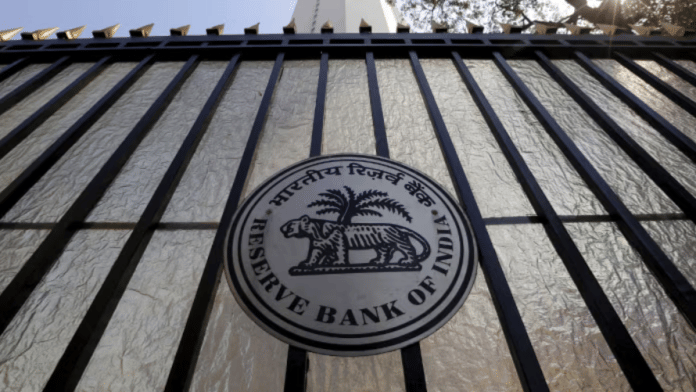
The problem goes beyond just private holdings since the central bank too has been buying gold in order to shore up its reserves and diversify away from dollars. But note the irony: asking ordinary people to avoid gold while the central bank itself is gorging on it is financial hypocrisy. In 2024, the , before drastically bringing it down to four tonnes in 2025, thanks to spiralling prices.
The question is why should the central bank be buying so much gold using dollars when so much of it is lying in private vaults and household cupboards inside the country? As the Kotak report says, around $5 trillion of it. That’s over Rs 450 lakh crore.
This is the question Nilesh Shah, managing director of Kotak Mahindra Asset Management and part-time member of the Economic Advisory Council to the PM, asked himself and tried to provide an answer.
In an in last December, Shah offered domestic purchase of gold by the Reserve Bank of India as a “silver bullet” to kill many birds with one shot: it could, if successful raise tax revenues in a difficult year, give businessmen more liquidity from gold sales, improve the Reserve Bank’s own balance-sheet, and – a bonus – achieve a sovereign ratings upgrade as the country’s risk profile improves with an increase in gold reserves.
I don’t find any major flaw in the scheme Shah proposes, though a lot depends on whether private holders of gold will let go of the metal and how well it is marketed. Even the SGBs took some time to take off, and it involved no major marketing or divesting the Indian from her gold.
This is Shah’s scheme: The RBI announces that it will buy up to, say, $100 billion worth of gold in rupees at current market prices, but pays only 65 percent of the price upfront. The balance will be paid after 29 years through zero-coupon bonds, is bonds that pay no interest. This too can be encashed by the holder in case he needs more liquidity by selling the bonds in the market. The effective cost of the gold for the RBI is 70 percent in terms of present value of a zero-coupon bond redeemable after 29 years. Since this would result in an instant gain for the RBI’s balance-sheet, it gets Rs 100 bn worth of assets at $70 billion cost today, a portion of the $30 billion can be paid to the government as dividends. This will help the fisc in a difficult year.
I would, in fact, go further and opt for a gold amnesty scheme (Shah thinks it may invite judicial scrutiny), where people can opt to pay the tax at their marginal rate and get full price today. In Shah’s scheme everybody benefits: households and businesses get liquidity, the RBI’s balance-sheet perks up, the government gets another high dividend, and the country improves its gold reserves instead of buying more from the international market.
Of course, this will not reduce the average citizen’s appetite for buying more gold – it could even whet her appetite in case she thinks more gold may be bought by the RBI in future. But trying to change age-old habits is not worth the effort. Governments should not pretend that their financial instincts are better than those of the citizen. After all, gold is the ultimate safe haven, the ordinary citizen’s hedge against inflation and a Swiss bank right under her pillow. Nothing can beat that sense of security.

