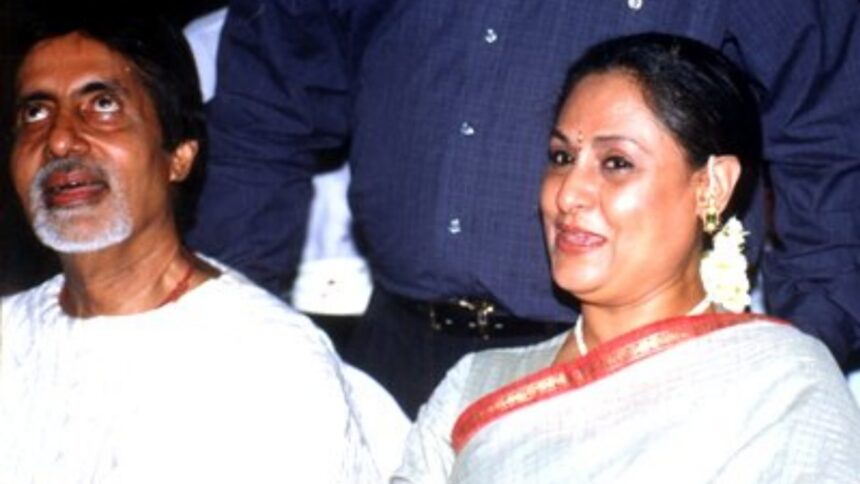
In a candid conversation with Simi Garewal, Amitabh Bachchan once reflected on his marriage with Jaya Bachchan, saying, “The best thing about this relationship is Abhishek and Shweta.” The superstar’s statement resonates with many couples who view their children as the strongest bond holding their relationship together. But does staying in a marriage primarily for the sake of children truly serve their well-being, or does it come at a hidden emotional cost?
Drawing on insights from Dr Pavitra Shankar, Associate Consultant, Psychiatrist at Aakash Healthcare, here’s a closer look at how such dynamics impact both partners and children.
According to Dr Shankar, while co-parenting can be deeply fulfilling, sustaining a marriage solely for the sake of children may not provide emotional satisfaction to either partner. Over time, this can lead to suppressed conflict, emotional distance,
“Even if arguments are avoided, the absence of warmth and connection can quietly shape the overall family environment,” she explains.
DISCLAIMER:
Children are often more perceptive than adults assume, adds Dr Shankar. “Even in the absence of overt conflict, they can sense tension, detachment, or unspoken issues between parents. Growing up in such an environment can lead to confusion, insecurity, and anxiety.”
She further explains that children may also internalise unhealthy relationship patterns, such as believing that love requires self-sacrifice or that emotional needs should be suppressed. Over time, this can affect how they communicate, form bonds, and
From a modern mental health perspective, the quality of the environment matters more than the structure of the family.
“Children benefit more from emotionally stable, respectful surroundings—whether parents are together or separated. Witnessing a strained relationship can normalise conflict, resentment, or emotional withdrawal. In contrast, children raised by separated but emotionally healthy parents are more likely to develop stronger emotional intelligence, healthier boundaries, and a more secure sense of self,” adds Dr Shankar.
DISCLAIMER: