



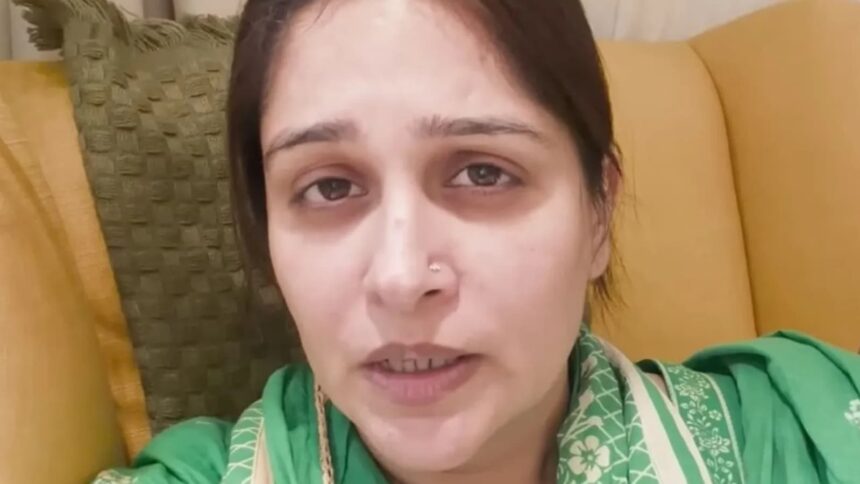
Dipika Kakar, 39, recently visited the hospital to understand the next course of treatment. On her YouTube vlog, the Sasural Simar Ka actor expressed, “I have to go to the hospital today. Would get to know about the future course of treatment. A hospital visit is one of the most difficult days. Everyone is smiling in front of me. But I know that everyone is worried about me, including my mom and mother-in-law. They manage to smile and put on a brave front, which keeps my strength going…and gives me blessings,” she said in Hindi.
DISCLAIMER:
Taking a leaf out of her expression, let’s understand how illness is not just a physical issue but a deeply emotional and even psychologically draining one, too.
Psychotherapist and life coach Delnna Rrajesh said that moments like hospital visits carry layers of emotional weight. “There is fear of the unknown, anxiety around health outcomes, physical , and an unspoken pressure to stay composed, particularly when there is a child involved. For many mothers, the struggle becomes twofold: processing their own pain while simultaneously protecting their child from it,” Delnna said.
This creates what psychology refers to as emotional duality — the ability to hold grief and strength at the same time. On the outside, there is composure. “On the inside, there may be fear, vulnerability, even moments of breakdown,” described Delnna.
Strength often includes moments where emotions overflow. “Tears, fatigue, and emotional vulnerability are not signs of weakness. They are natural responses to uncertainty and stress,” shared Delnna.
One of the most overlooked aspects of serious illness is the anticipatory anxiety it brings. “Hospital visits are not just about treatment. They represent waiting, uncertainty, and the mind constantly imagining possibilities. Research in health psychology shows that uncertainty can sometimes be more distressing than the diagnosis itself, because the brain struggles with lack of control,” said Delnna.
For caregivers and parents, this is further intensified by the need to maintain normalcy, mentioned Delnna.
How does one cope in such moments?
*From a psychological and emotional healing lens, the first step is allowing emotional expression without guilt. It is important to recognise that feeling overwhelmed does not make you less strong; it makes you human. Suppressing emotions may create temporary control, but over time it can lead to emotional fatigue or burnout.
*Then there is a need to create safe emotional outlets. “This could be through talking to a trusted person, journaling, or even moments of solitude where emotions can be processed without interruption. is essential for maintaining mental well-being during prolonged stress,” said Delnna.
*Another important aspect is redefining strength. Strength is not about constantly holding it together. “It is about knowing when to pause, when to ask for support, and when to simply feel.”
*Practices like mindful breathing or short moments of stillness can help regulate the nervous system during overwhelming phases, said Delnna.
DISCLAIMER:

