



He also held out the possibility of a deal, saying new Iranian leaders with “different, smarter, and less radicalized minds” could reach an accord.
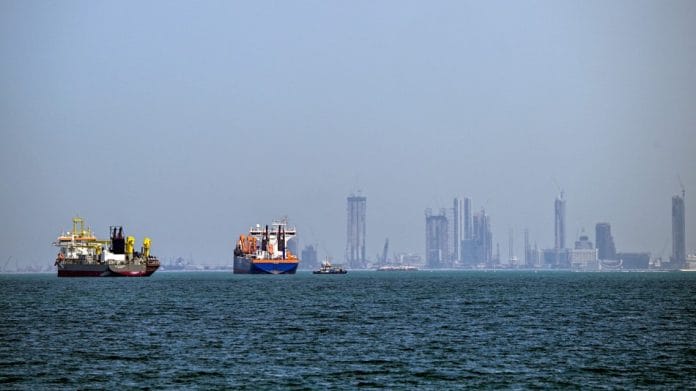
Trump began issuing deadlines on March 21 to force Iran to reopen Hormuz, which carries roughly a fifth of seaborne oil shipments, and has repeatedly extended the timeline.
“Investors are likely to remain on edge and markets unable to establish trends, probably until there is a clear outcome later this evening,” said Paul Christopher at Wells Fargo Investment Institute.
Meantime, Russia and China vetoed a United Nations Security Council resolution that would have encouraged countries to coordinate defensive efforts on reopening the Strait of Hormuz.
Caution is paramount as headline sensitivity is running high, noted Craig Johnson at Piper Sandler.
“Against this uncertain backdrop, we have been advising investors to progressively de-risk portfolios the longer oil prices remain high,” said Ulrike Hoffmann-Burchardi at UBS Global Wealth Management.
Fading sentiment among retail investors may be a sign that a near-term equity rebound is in the making, according to strategists at Citadel Securities.
Individual traders turned net sellers of US equities and options last week on Citadel Securities’ platform, according to Scott Rubner, an occurrence seen just 18 times since January 2020.
While geopolitical risks remained front and center, traders kept an eye on the latest economic data for clues on any potential impacts of the war.
Near-term inflation expectations jumped in March by the most in a year as consumers anticipated higher gas and food prices with the onset of war in the Middle East, according to a Federal Reserve Bank of New York survey released Tuesday.
Fed Bank of New York President John Williams told Bloomberg Television his outlook for underlying price pressures was largely unchanged despite his expectation that higher energy costs stemming from the war will boost overall inflation.
What Bloomberg strategists say…
“If war concerns prevail, the combination of strong corporate guidance and higher dispersion would shield equities from the drag of higher oil prices.”
—Michael Ball, Macro Strategist, Markets Live. For the full analysis, click here.
Some of the main moves in markets:
Disclaimer: This report is auto generated from the Bloomberg news service. ThePrint holds no responsibility for its content.

