



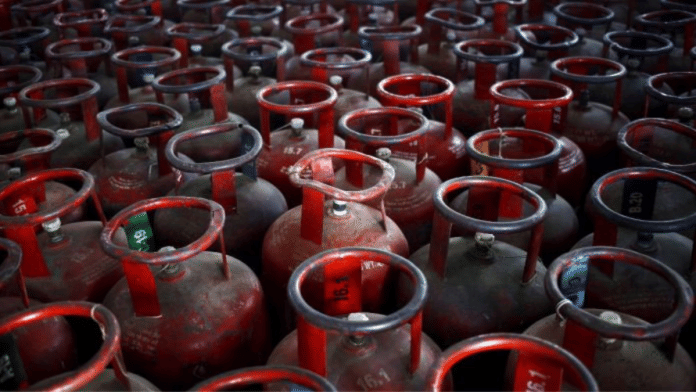
One of the important asks by the government is that industry switch to natural gas (LNG) for heating and cooking, and not rely on liquified petroleum gas (LPG). The reason the government is pushing for this conversion, even as the country is dependent on imports for both commodities, is that shipping routes for LNG have some flexibility that LPG routes don’t.
Though industry could look at ways of giving up on LPG and adopting piped natural gas, this transition will be incumbent upon the availability of pipeline connectivity at the door of an establishment or a household. In the absence of city gas distribution (CGD) infrastructure, switching the fuel could become challenging. CGD players, therefore, need to move quickly on creating this vital access for prospective gas customers.
Notwithstanding the logistical reasons, switching to another import-dependent fuel alone will not grant India energy security. The country currently produces 92 MMSCMD of natural gas against a requirement of 191 MMSCMD, which has increased in recent years because of the expansion of city gas networks.
Any fresh push toward the use of natural gas must also be backed up by increased electrification of cooking, industrial processes, and transportation. With India’s ambitious target under the recently released Nationally Determined Contribution (2031-2035), 60 per cent of cumulative electric power installed capacity will be from non-fossil fuel-based energy resources. This represents an increase of 10 percentage points over the current 50 per cent and should be achievable, considering the country’s abundant resources of solar and wind resources.
In India, ethanol is available in excess to the current requirements. Ethanol-based cookstove and its blending with petrol must also be adopted by individuals as well as corporations that run large-format canteens and staff transportation. Industry must also explore other options such as compressed biogas (CBG) and biomethane.
Building decentralised energy systems for renewable energy-based electricity generation and for CBG plants is something that industry should adopt on a large scale. While this will reduce their dependency on electricity and gas grids, it will also ensure that their consumption and costs are not exposed to the vagaries of geopolitics.
One of the most important measures Indian industry must pursue is to introduce fuel and energy efficiencies in processes and usage. India may not have declared a national fuel emergency like the Philippines and Sri Lanka, but it must follow the established efficiency norms. Though existing norms notified by government agencies, particularly the Bureau of Energy Efficiency, are in various stages of adoption, there is no better time than now to implement them. The Ministry of Petroleum and Natural Gas’ own agency, Petroleum Conservation Research Association, can also play a key role in spreading awareness on fuel consumption. This is the right time to scale up its profile and engage common citizens in its campaigns.
Companies could improve the existing energy efficiency norms and use the current situation to run campaigns that showcase their efficiency achievements. Voluntary adoption of higher levels of efficiency measures could show how industry can lead from the front.
The road to India’s energy security should no longer be trodden cautiously, but with elan—where industry, even outside of the energy sector, leads the charge to build an energy-resilient India.
Chandrajit Banerjee is the Director General of the Confederation of Indian Industry (CII). Views are personal.
(Edited by Prasanna Bachchhav)

