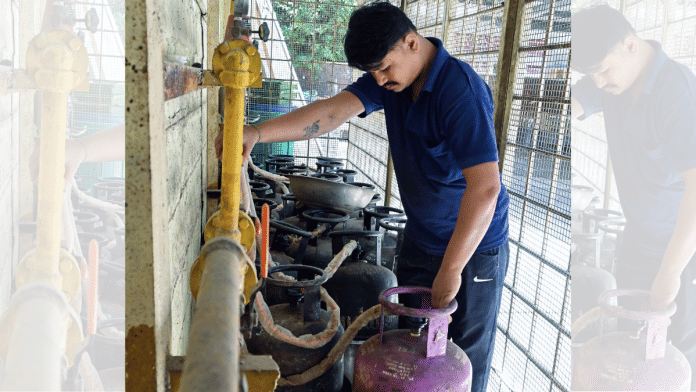
However, the additional 10 percent commercial LPG supply comes with conditions. States can secure incremental allocations through a series of measures aimed at easing expansion of city gas distribution (CGD) networks.
An additional one percent allocation will be granted if states constitute district-level committees with representation from local body executives to approve CGD applications and address grievances.
Another two percent allocation is tied to granting CGD permissions for laying gas pipelines—both for existing and new applicants—within a defined timeline through a single-window mechanism.
States can secure a further three percent allocation by implementing a ‘dig and restore’ scheme for CGD entities, allowing them to undertake excavation and restoration without prior permissions, while replacing restoration charges with a bank guarantee of Rs. 10 lakh per kilometre of pipeline.
The final four percent allocation will be provided if states reduce annual rental or lease charges for laying CGD pipelines to zero.
At an inter-ministerial press briefing Wednesday, Sujata Sharma, Joint Secretary at the Ministry of Petroleum and Natural Gas, said, “Around 7,200 tonnes of commercial LPG, including for auto use, have already been distributed across the country in last 4 days.”
She added that 15 states have started allocating commercial LPG to the distributors.
Due to government efforts to encourage households to shift to PNG, Sharma said, nearly 1,20,000 new PNG connections have been added across the country in the last two weeks.
On the domestic front, the government said LPG production has increased by 40 percent compared to levels prior to 5 March. However, supply conditions remain strained.
“The LPG issue is still worrisome. There is an improvement in online booking. But it is also true that there are long lines at distributors,” Sharma said.
On Aviation Turbine Fuel, Sharma said, “We have sufficient stocks of aviation turbine fuel, and no price increase has been done by the oil marketing companies.”
Providing an update on shipping disruptions, Rajesh Kumar Sinha, Special Secretary at the Ministry of Ports, Shipping and Waterways, said 22 Indian-flagged vessels, including six carrying LPG, remain stranded on the western side of the Strait of Hormuz.
In terms of cargo, Sinha said around 3.2 lakh metric tonnes of LPG and nearly 2 lakh tonnes of liquefied natural gas (LNG) are currently stuck in vessels at Hormuz. Additionally, about 16.7 lakh metric tonnes of crude oil remain stranded in Indian-flagged ships.
“22 Indian flag vessels with 611 Indian seafarers remain west of the Strait of Hormuz and all Indian seafarers on board are safe,” Sinha said.
On the expected timeline for the return of these vessels, Ministry of External Affairs spokesperson Randhir Jaiswal said that talks are underway at diplomatic levels with Iranian officials and other countries’.
(Edited by Ajeet Tiwari)