India’s External Affairs Minister, S. Jaishankar, has spoken three times in recent days with his Iranian counterpart, Abbas Araghchi, Randhir Jaiswal, a spokesperson for India’s foreign ministry, said at his weekly media briefing on Thursday. During their most recent call, Jaishankar discussed “issues pertaining to the safety of shipping and India’s energy security,” Jaiswal added, without giving details.
Earlier on Thursday, news reports suggested Iran had permitted India-flagged vessels to pass through the Strait. Asked about an agreement, an Iranian official familiar with the matter denied a green light had been granted, asking not to be named as he is not authorized to speak to media.
Ten of the vessels are carrying LPG contracted by refiners such as Indian Oil Corp. Hindustan Petroleum Corp., while five are transporting crude, one of the sources said.
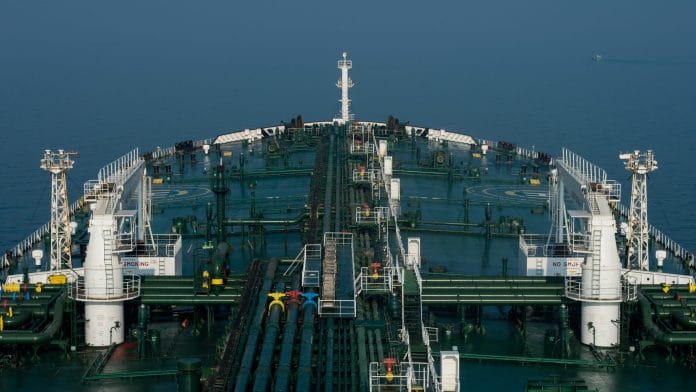
Traffic through Hormuz has dropped dramatically, but ships do occasionally manage to transit, including tankers bound for India, according to Sumit Ritolia, lead analyst at Kpler. Ship-tracking data show cargoes moving through the Strait on March 6 and March 9 that have since arrived, or are scheduled to arrive, at Indian ports.
However, AIS signals for several vessels reappeared only after they exited the Gulf, suggesting transponders were switched off while passing through the strait, he said. Dark transit, which involves temporarily disabling tracking systems, is not unusual in high-risk areas.
Disclaimer: This report is auto generated from the Bloomberg news service. ThePrint holds no responsibility for its content.