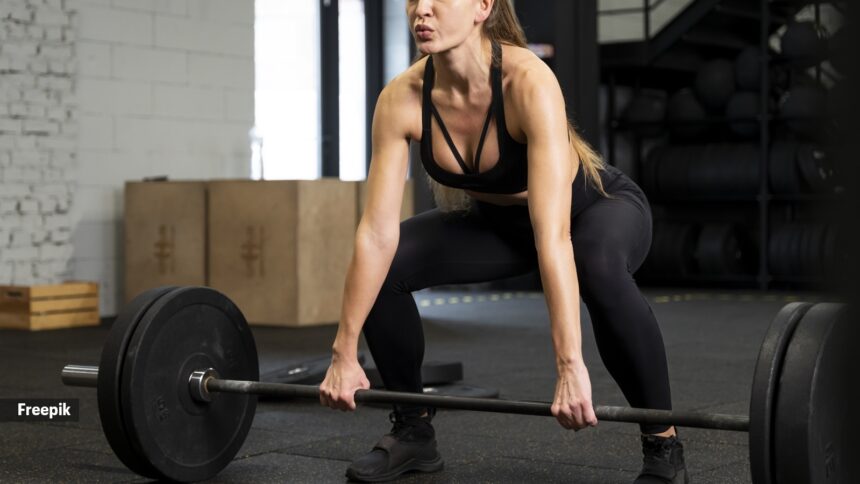
The deadlift is often hailed as one of the most effective strength-training compound exercises because it targets multiple muscle groups at once. But for beginners, it can also feel intimidating.
The movement involves lifting a loaded barbell off the ground, which can look and feel challenging if you’re trying it for the first time. Many worry about form, safety, or even whether they’re strong enough to attempt it.
Like any exercise, the key to performing a deadlift correctly lies in understanding the right technique and gradually building confidence. From foot placement to how you grip the bar and position your back, every detail matters in and ensuring you get the full benefits. At the same time, starting with the wrong approach could put unnecessary strain on your lower back and joints.
For those hesitant to add deadlifts to their routine, breaking the movement down into small, manageable steps can make all the difference. Expert guidance can help beginners not only master the form but also avoid common mistakes and build strength safely.
Sadhna Singh, senior fitness and lifestyle consultant at HereNow Official, tells indianexpress.com, “The deadlift is one of the most effective full-body exercises, but beginners should start with proper form before adding weight.”
Step 1: Begin by standing with your feet about hip-width apart, keeping the barbell close to your shins.
Step 2: Hinge at your hips while keeping your back neutral and bend your knees slightly so you can grip the bar just outside your legs.
Step 3: Engage your core and keep your chest open as you prepare to lift.
Step 4: Push through your heels and extend your hips and knees simultaneously until you are standing tall, with the bar resting against your thighs.
Step 5: On the way down, reverse the movement by hinging at the hips first, then bending the knees once the bar has passed them.
“For safety, start with a very lightweight or even just a stick to practice the motion. Focus on controlled movements rather than speed. Wearing flat shoes and using a mirror or guidance from a trainer can also help ensure correct alignment,” says Singh.
Singh mentions, “The fear of back injury is common, but much of it comes from lifting with poor technique rather than the exercise itself. To build confidence, it is important to and posterior chain with supporting exercises like glute bridges, planks, and hip hinges. These movements train the body to maintain a stable spine during lifting.”
One of the most common mistakes is rounding the lower back, which puts unnecessary pressure on the spine. “This can be corrected by practising hip hinge drills and ensuring the chest stays lifted throughout the movement. Another frequent error is allowing the bar to drift away from the body. Keeping the bar close to the shins and thighs throughout the lift reduces strain and makes the movement more efficient,” explains Singh.
Singh mentions, “Many beginners also try to pull the bar up with their arms rather than driving through the legs and hips. Thinking of the deadlift as a push through the floor rather than a pull can shift the focus to the right muscles. Lastly, rushing into heavy weights too quickly often compromises technique. Patience, gradual progression, and feedback from a coach or trainer are key to mastering the lift safely.”