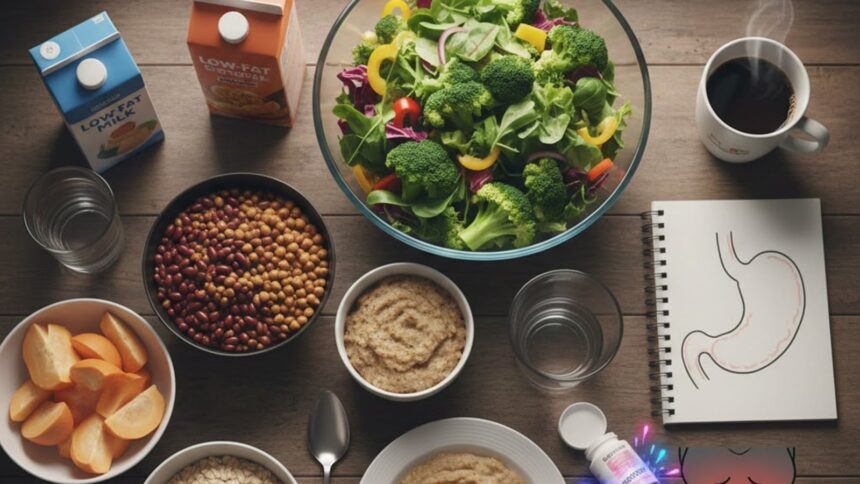
Is your healthy food really healthy? It’s time to think it through if a health coach is to go by. According to Nikita Bardia, healthy food can disrupt your gut, too. “Sorry to break it to you, but your gut issues aren’t coming from outside …they’re coming from your daily habits — the ones you think are ‘healthy.’ Most people assume digestion is ruined ONLY by junk food. But 80 per cent of the people I work with struggle because of mistakes happening inside their own kitchen,” she noted in an Instagram post.
She listed the following “real, silent gut disruptors”:
Eating 3 bowls of raw salad at night
Raw veggies at night = guaranteed bloating, gas, and morning heaviness. “Your gut is least active post-sunset,” said Bardia.
Fix: switch to lightly sautéed veggies or cooked sabzi.
Eating dal, rajma, and chhole without proper soaking
Phytic acid + oligosaccharides = instant gas + acidity.
Even homemade dal can wreck digestion if prepared incorrectly.
Fix: soak 8–12 hrs + throw the first boil water + cook with ajwain/hing, said Bardia.
Drinking water with meals
Water dilutes digestive enzymes, leading to weaker and gas. “Fix: 20 mins before meals or 30–45 mins after.”
Eating too much “healthy” millet
Jowar, bajra, ragi are great — but too much = constipation + bloating. They expand in the gut and slow digestion, said Bardia.
Fix: 2–3 millet meals/week max, not daily.
Overloading curd/chaas when your gut is already inflamed
Probiotics on an inflamed gut = more acidity + more bloating. “Fix: calm the gut first and then add curd.”
Waking up and eating fruit or oats on an empty stomach
Fruit/oats alone = blood sugar spike, digestion crash, and bloating. “Fix: pair with protein or fat (curd, seeds, nuts).”
Drinking chai/coffee first thing in the morning
Your gut lining is delicate upon waking up. “Caffeine + empty stomach = acidity + loose motions + nausea.”
Fix: 1 small snack first (nuts/raisins/warm water with a pinch of salt), said Bardia.
Very low-fat diets
Your gut needs fats to absorb nutrients.
Low fat = slow digestion + hormonal imbalances.
Fix: add 1 tbsp ghee, nuts, and seeds daily.
We reached out to Dt Gulnaaz Shaikh, chief dietitian, KIMS Hospitals, Thane, who said that clean ingredients do not guarantee easy digestion. “How food is combined, cooked, and when it is eaten matters. Large portions of raw salad at night, heavy dals without proper soaking, or overeating millets can all strain the gut. Digestion naturally slows in the evening, so raw or very late at night may cause bloating,” said Shaikh.
Does the soaking-and-cooking method really make a difference?
According to Shaikh, beans like rajma and chhole contain compounds that can cause gas if not soaked well. “Soaking for several hours, discarding the soaking water, and cooking thoroughly with spices like hing or ajwain can reduce digestive discomfort. Small changes in preparation affect how the body handles food,” said Shaikh.
What about drinking water with meals?
Sipping small amounts is fine, but large quantities during meals may leave some people feeling heavy. “For those with sensitive digestion, spacing water 20 to 30 minutes before or after meals can feel more comfortable,” said Shaikh.
Are “healthy” foods ever a problem?
They can be if overdone. “Too much millet daily may lead to constipation in some people. Excess curd when the gut is already irritated can worsen bloating. Eating fruit or oats alone on an empty stomach may spike hunger later. Pairing carbs with protein or helps support steadier digestion,” said Shaikh.
Portion size, timing, balance, and preparation style play a big role in how comfortably the digestive system functions.
DISCLAIMER: