



The Renaissance of the Movie Musical: From Wonka to Wicked, Why Now?
For decades, the movie musical resided in a specialized niche. After its Golden Age zenith in the mid-20th century, it became perceived as a risky, often anachronistic genre, with big-budget flops like Cats (2019) seemingly confirming its commercial peril. The modern cinematic landscape was dominated by gritty realism, superhero spectacles, and sophisticated dramas. Spontaneous song-and-dance numbers felt out of place.
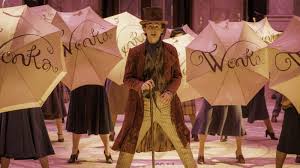
Yet, a quiet revolution has been building, and it is now reaching a crescendo. The triumphant success of Wonka (2023), a full-blown musical that grossed over $600 million globally, the stratospheric hype surrounding the two-part adaptation of Wicked, and a pipeline filled with projects like the live-action Moana and Snow White signal a profound shift. The movie musical is not just back; it is undergoing a full-scale, big-budget renaissance.
This resurgence is not a random occurrence. It is the result of a powerful convergence of business strategy, cultural yearning, and a new generation of filmmakers who have cracked the code on how to make the musical feel both nostalgic and novel for a 21st-century audience.
Part 1: The Pre-Chorus – A Genre in the Wilderness
To understand the significance of this comeback, one must first appreciate the genre’s long winter. The failure of high-profile projects like Cats and Dear Evan Hansen created a perception that modern audiences had an inherent aversion to the musical form. The reasons were manifold:
-
The “Cringe” Factor: In an age of irony and cynicism, the unabashed sincerity of characters breaking into song was often met with discomfort or mockery. It required a suspension of disbelief that modern, media-literate audiences found challenging.
-
Star Casting vs. Singing Ability: Studios often prioritized bankable movie stars over trained singers, leading to awkward auto-tuned performances that broke the spell of authenticity.
-
The TV Revolution: Prestige television, with its complex, morally ambiguous characters and gritty realism, became the dominant form of sophisticated storytelling, making the musical’s tonal optimism seem passé.
The genre survived, but primarily on the stage (where its conventions were accepted) or in animated form (where the fantastical nature of the medium made song feel natural). The live-action movie musical was a relic, until the tide began to turn.
Part 2: The Opening Number – The Catalysts for Comeback
Several key hits slowly rebuilt the foundation, proving that the right musical, made the right way, could still connect.
-
La La Land (2016): Damien Chazelle’s Oscar-winning masterpiece was the pivotal moment. It didn’t ignore the genre’s history; it celebrated it while grounding it in the contemporary anxieties of artists and dreamers. It was both a homage and a modernization, proving that musicals could be about something real and resonant.
-
The Greatest Showman (2017): While critics were divided, its explosive, long-legged box office run and chart-topping soundtrack demonstrated a massive, underserved audience craving feel-good, inspirational anthems. It became a cultural phenomenon based on pure emotional uplift.
-
In the Heights (2021) and West Side Story (2021): These films, from master of the modern musical Jon M. Chu and the legendary Steven Spielberg, respectively, showed that the genre could be a vessel for powerful, relevant stories about community, immigration, and racial tension. They combined breathtaking choreography with cinematic sweep, arguing that some stories demand the heightened emotion that only song can provide.
These successes created a runway. They rehabilitated the genre’s reputation with studios and audiences, setting the stage for the current blockbuster wave.
Part 3: The Showstopper – Deconstructing the New Musical Formula
The new wave of movie musicals is not simply repeating the past. It has evolved, learning from previous failures and adapting to the contemporary media landscape. The success of Wonka and the strategy behind Wicked reveal a new, sophisticated formula.
1. The Power of “Safe IP” in a High-Risk Genre
Musicals are inherently expensive and risky. The solution? Build them on the back of the most valuable currency in modern Hollywood: pre-sold, beloved Intellectual Property (IP).
-
Wonka: This was not a risky, original idea. It was a prequel to a beloved classic (Willy Wonka & the Chocolate Factory), leveraging deep-seated nostalgia and brand recognition. The audience arrived with built-in affection for the world.
-
Wicked: The stage musical has been a global phenomenon for two decades. The movie adaptation is the very definition of a “sure thing,” tapping into a massive, pre-existing fanbase that has been waiting for years to see Elphaba and Glinda on the big screen.
-
Moana and Snow White: These are live-action remakes of animated classics whose songs are already ingrained in the cultural consciousness. The soundtrack is pre-sold.
This IP-driven approach de-risks the massive investment, giving studios the confidence to greenlight a $100+ million musical.
2. The Escapism Imperative
We are living in an era of polycrisis: a pandemic, political polarization, economic anxiety, and constant global bad news. Audiences are exhausted. The movie musical offers a potent antidote: pure, unadulterated escapism.
The genre is inherently optimistic. It operates on a logic where emotion is so powerful it must be expressed in song, where conflicts are resolved through harmony, and where joy is a collective experience. In a dark time, the promise of being transported to a vibrant, colorful world where good triumphs and people burst into perfectly choreographed dance is a compelling proposition. It’s not just entertainment; it’s emotional therapy.
3. The “You Can’t Stream This” Spectacle
In an age of content overload, where viewers scroll endlessly through streaming menus, the theatrical experience must justify itself. The modern musical does this by offering event-level spectacle that feels diminished on a small screen.
The scale of the production numbers in Wonka (the hoverchoc sequence) or the anticipated grandeur of the “Defying Gravity” moment in Wicked are designed to be shared, collective experiences. The sound of a full orchestra and a powerful voice filling a theater is a sensory event that cannot be replicated at home. The new musicals are making a case for the big screen by being too big for the small one.
4. The TikTok Soundtrack Strategy
The business model of the modern musical extends far beyond the box office. A hit soundtrack provides a continuous revenue stream and, more importantly, functions as a powerful, long-term marketing engine.
In the era of TikTok and Instagram Reels, a catchy show tune can become a viral sensation. A song like The Greatest Showman‘s “This Is Me” or a potential breakout number from Wicked can be used in millions of user-generated videos, memes, and dance challenges. This organic, free marketing introduces the musical to a generation that might not otherwise engage with the genre, creating a feedback loop that drives streaming views and soundtrack sales long after the film leaves theaters.
Part 4: The Second Act – High Risk and the Challenge of Authenticity
Despite the new formula, the genre remains a high-wire act. The factors that can make a musical a global phenomenon are the same that can lead to a spectacular, Cats-like failure.
-
The Casting Conundrum: The balance between star power and vocal talent is more critical than ever. Wonka succeeded because Timothée Chalamet, while not a powerhouse singer, possessed the charisma and acting chops to sell the performance. The backlash to the initial casting of non-singers in Wicked was swift, leading to the crucial recasting of Michelle Yeoh, underscoring that the modern audience demands authentic vocal ability.
-
The Tonality Tightrope: Modern audiences reject pure schmaltz. The successful new musicals often have a winking self-awareness or a grounding element that prevents them from tipping into saccharine sentimentality. Wonka had a dark, Dahl-esque edge. Wicked is a story of political corruption and otherness. Getting the tone wrong—being too cynical or too cloying—can alienate everyone.
-
The “Uncanny Valley” of Digital Worlds: As seen in Cats, an over-reliance on CGI can create a bizarre, unsettling effect that shatters the magic. The new musicals must use digital effects to enhance spectacle without losing the human, tangible heart that makes the genre connect.
A New Golden Age, Forged in Strategy and Soul
The renaissance of the movie musical is a testament to the industry’s ability to adapt and to a deep, abiding human need for stories told through song. It is not a mere nostalgia trip; it is a strategic reinvention.
The genre has learned to marry the old with the new: the timeless appeal of melody and spectacle with the modern mechanics of IP, viral marketing, and event cinema. It has found its purpose by offering a specific product that the market was desperately lacking: hopeful, collective, large-scale joy.
The upcoming releases of Wicked, Moana, and others are not the end of a trend, but the confirmation of a new pillar of blockbuster filmmaking. The movie musical has proven its commercial viability and cultural relevance. It has fought its way back from the wilderness by remembering its greatest strength: in a world of noise, a great song, sung with conviction, will always be heard. The stage is set, the orchestra is tuned, and a new golden age is beginning its opening number.

