The Great Indian Makeover: How Tier-2 & Tier-3 Cities Are Redefining the Nation’s Economy
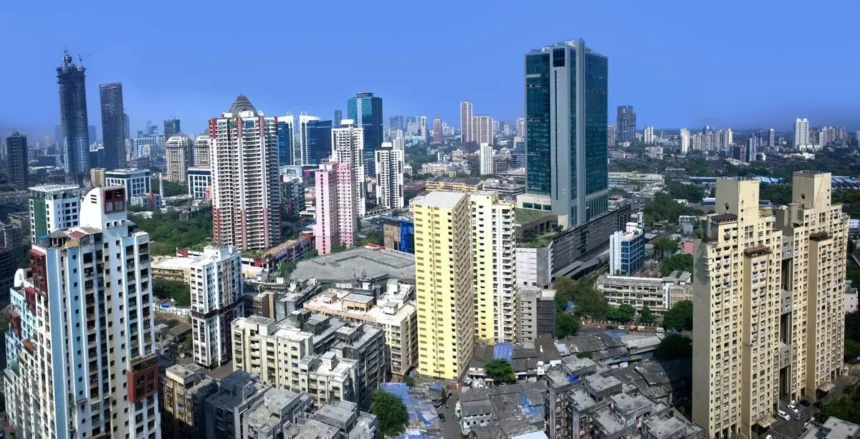
For decades, the narrative of India’s economic growth was a story of its metropolitan giants. Mumbai was the financial capital, Delhi the political heart, and Bengaluru the Silicon Valley. This concentration created immense opportunity, but also immense pressure—manifested in suffocating traffic, skyrocketing real estate, and a declining quality of life. A silent, powerful counter-narrative has been building, and it is now reaching a crescendo.
The true story of “New India” is unfolding not in its saturated metros, but in its dynamic Tier-2 and Tier-3 cities. From the bustling streets of Indore to the industrial clusters of Coimbatore, from the port city of Vizag to the cultural hub of Jaipur, a profound economic and cultural transformation is underway. This is not a trickle-down effect; it is a bottom-up revolution that is fundamentally reshaping the nation’s economic geography and social fabric.
This is the story of the Great Indian Makeover.
Part 1: The Drivers of the Decentralization
This massive shift is not accidental. It is the result of a powerful confluence of push factors, pull factors, and enabling infrastructure.
1. The Metro Saturation Point (The Push):
The top-tier cities have hit a breaking point. The cost of living, especially real estate, has become prohibitive for both businesses and employees. The infrastructure, despite improvements, is perpetually strained. For companies, this means higher operational costs and employee attrition driven by burnout and long commutes. For talent, the dream of a metro life is increasingly overshadowed by its stressful reality.
2. The Digital Democratization (The Great Enabler):
The mass adoption of affordable smartphones and high-speed internet, accelerated by Jio, has been the single greatest equalizer. When work, commerce, and entertainment are just a click away, physical location becomes less relevant. The COVID-19 pandemic acted as a forced catalyst, proving to both employers and employees that remote and hybrid work models are not just feasible, but often more productive.
3. Proactive Policy and Infrastructure Push:
Government initiatives have played a crucial role.
-
Smart Cities Mission: This flagship program channeled billions of rupees into 100 cities for urban rejuvenation, focusing on improved governance, sanitation, mobility, and technology infrastructure.
-
Industrial Corridors & Expressways: Projects like the Delhi-Mumbai Industrial Corridor (DMIC) and the new expressway network are strategically linking smaller cities to national and global supply chains, reducing logistics costs and making them attractive manufacturing and logistics hubs.
4. The Cost Arbitrage Advantage:
For businesses, the math is compelling. Office space in Coimbatore or Lucknow can be 50-70% cheaper than in Bengaluru or Gurugram. Salaries for comparable talent are often 20-30% lower, while employee loyalty tends to be higher. This powerful cost arbitrage allows companies to maintain quality while significantly improving their bottom line.
Part 2: The New Economic Powerhouses – A City-by-City Snapshot
The transformation is visible across the map, with each city leveraging its unique strengths.
1. Indore: The Swachh & Smart Pivot
Long known as India’s “food capital,” Indore has transformed into a model of urban governance and a thriving IT and startup hub.
-
Economic Drivers: Its consistent ranking as India’s cleanest city has been a massive branding exercise, attracting talent and investment. The city has developed robust IT parks like Crystal IT Park, hosting MNCs and homegrown startups alike. Its central location makes it a perfect logistics and warehousing hub for e-commerce giants.
-
Cultural Shift: The city boasts a vibrant café culture, multiplexes, and a burgeoning events scene, offering a metropolitan lifestyle without the metropolitan chaos. The presence of premier educational institutions like IIM Indore creates a steady pipeline of talent.
2. Coimbatore: The Engineering & Textiles Titan Reinvents Itself
Dubbed the “Manchester of South India,” Coimbatore’s strong SME-led industrial base in textiles and pumps is now being supercharged by technology.
-
Economic Drivers: It is a major hub for IT services, particularly in engineering and embedded systems, serving global automotive and manufacturing clients. The city’s entrepreneurial spirit is legendary, with a new wave of startups emerging in SaaS and deep tech. Its proximity to Tamil Nadu’s industrial ecosystem is a key advantage.
-
Cultural Shift: Known for its work ethic and quality of life, the city offers a blend of traditional Tamil culture and modern amenities. The influx of a young, skilled workforce is fostering a more cosmopolitan outlook while retaining its distinct identity.
3. Visakhapatnam (Vizag): The Phoenix City Rises
After the devastating effects of a cyclone and the economic blow of losing its status as Andhra Pradesh’s capital, Vizag has staged a remarkable comeback.
-
Economic Drivers: Its strategic port is being developed as a major economic hub. The city is attracting massive investments in pharmaceuticals, petrochemicals, and renewable energy. The IT sector is growing rapidly, with a focus on serving the manufacturing and logistics industries. The Andhra Pradesh MedTech Zone (AMTZ) has positioned it as a leader in medical equipment manufacturing.
-
Cultural Shift: Blessed with beautiful beaches and hills, Vizag offers an unparalleled quality of life. The city is developing a new identity as a resilient, forward-looking center for industry and innovation.
4. Jaipur: The Heritage City Gets a Tech Makeover
The Pink City, a global tourist destination, is now painting a new picture of itself as a creative and tech hub.
-
Economic Drivers: Jaipur has become a major center for gems and jewelry exports, handicrafts e-commerce, and a growing IT/ITES sector. It is a hub for startups in the direct-to-consumer (D2C) space, leveraging its traditional artisanal strengths with modern digital marketing. The government’s focus on film production (RIFF) is also creating a new media economy.
-
Cultural Shift: Jaipur effortlessly blends its rich Rajput heritage with contemporary trends. It boasts world-class hospitality, a thriving arts and crafts scene, and a growing reputation as a fashion and design capital, attracting a creative class from across the country.
Part 3: The Manifestations of the New Boom
The economic shift is triggering a multi-faceted transformation on the ground.
1. The Real Estate Renaissance:
Residential and commercial real estate in these cities is booming. New, high-quality residential projects with modern amenities are catering to the aspirational middle class and returning NRIs. Grade-A office space is being developed at a rapid pace to meet corporate demand. This is creating wealth for local landowners and new opportunities for national real estate developers.
2. The Retail & Consumer Market Revolution:
Global and Indian brands that once focused only on metros are now aggressively expanding in these markets. Shopping malls, multiplex chains like PVR and INOX, and international food and fashion brands are now staples in cities like Lucknow, Chandigarh, and Bhubaneswar. This is creating a more uniform consumer culture and providing employment in the retail and service sectors.
3. The Startup Spring:
The startup ecosystem is no longer confined to Bengaluru, Delhi-NCR, and Mumbai.
-
Thriving Local Ecosystems: Cities like Ahmedabad, Kochi, and Pune have vibrant startup communities, supported by local incubators, angel investor networks, and state government policies.
-
Problem-Solving for India: Startups here often focus on solving hyperlocal problems—agri-tech solutions for farmers in Maharashtra, ed-tech in regional languages for students in Uttar Pradesh, or logistics solutions for the complex supply chains of the hinterland.
4. The Social & Cultural Fabric: Aspiration Meets Affordability
The most significant change is sociological. Young professionals in these cities can now aspire to high-growth careers without leaving their hometowns and support systems. They can afford a better quality of life—a larger home, shorter commutes, and the ability to be closer to family. This is reducing the brain drain to metros and fostering a new sense of regional pride and confidence. The cultural scene is flourishing with the rise of local music festivals, stand-up comedy circuits, and art galleries, creating a vibrant, self-sustaining cultural economy.
Part 4: The Road Ahead – Challenges and The Future
Despite the impressive progress, the journey is far from complete. These cities face significant challenges:
-
Infrastructure Catch-up: While improving, physical infrastructure—public transport, water supply, waste management—needs to keep pace with rapid growth to avoid repeating the mistakes of the metros.
-
Talent Pipeline: While talent is returning, there is still a need to deepen the pool of highly specialized skills. Local universities and colleges need to align their curricula more closely with industry needs.
-
Ensuring Inclusive Growth: The boom must not create new islands of prosperity amidst poverty. Urban planning must focus on affordable housing and ensuring that the benefits of growth reach all sections of society.
The Future is Distributed
The future of India’s economy is not a pyramid with a few metros at the top, but a distributed network of prosperous, interconnected urban centers. The rise of Tier-2 and Tier-3 cities represents a more sustainable, balanced, and resilient model of growth. It leverages India’s true scale and diversity, unlocking the potential of its entire geography.
This Great Indian Makeover is more than an economic story. It is a story of regained agency, of cultural confidence, and of a nation finally learning to leverage its greatest strength—its vast, vibrant, and ambitious heartland. The metros will always be important, but the soul of New India is now beating powerfully in Indore, Coimbatore, Vizag, Jaipur, and a hundred other cities, writing the next chapter of the Indian dream.