



The Multi-Billion Dollar Game: Decoding the Business of Sports Sponsorships in India
In India, sport is not just a passion; it is a multi-layered, multi-billion dollar economy where victories are measured not only in runs and goals but also in brand visibility, consumer engagement, and return on investment. At the heart of this economic engine lies sports sponsorship—a sophisticated business strategy that has evolved from mere logo placement to a dynamic partnership integral to the survival and growth of leagues, teams, and athletes.
The journey of sports sponsorship in India mirrors the nation’s own economic liberalization. It has grown from a philanthropic gesture or a simple branding exercise for a handful of corporations into a complex, data-driven marketing science. This deep-dive analysis explores the evolution, key players, financial dynamics, and future trends that define the high-stakes business of sports sponsorship in the world’s most populous nation.
Part 1: The Evolution – From Philanthropy to Strategic Investment
The landscape of sports sponsorship in India has undergone a radical transformation, driven by media, money, and a shift in consumer behavior.
The Pre-1990s Era: The Age of Patronage
For decades, sponsorship was synonymous with corporate patronage. Public Sector Undertakings (PSOs) like Sahara, BPCL, and ONGC were the primary benefactors. Their support was often driven by a sense of social responsibility or government directive rather than a clear marketing ROI. Sponsorship deals were modest, and the association was typically with national teams or major tournaments like the Nehru Cup in football.
The 1990s-2000s: The Cricketing Catalyst
The turning point was the co-hosting of the 1987 Cricket World Cup and, more significantly, the 1996 World Cup. This period saw the entry of large private corporations like Pepsi and Coca-Cola into the cricketing arena, recognizing the mass appeal of the sport. The launch of official team sponsorships and the iconic “MRF Blimp” symbolized the beginning of sports marketing as a serious business.
The IPL Revolution (2008-Present): The Big Bang
The true paradigm shift occurred with the launch of the Indian Premier League (IPL) in 2008. The IPL did not just create a new cricket league; it created a new business model.
-
Franchise Model: It introduced city-based franchises, which became individual businesses requiring their own sponsorship revenue to be viable.
-
Media Rights Bonanza: The multi-billion dollar media rights deals with Sony and later Star India demonstrated the immense monetary value of live sports broadcasting, attracting a flood of advertisers.
-
Commoditization of Inventory: The IPL broke down sponsorship into a menu of assets: Title Sponsorship, Associate Partners, Official Partners, and team-specific sponsorships (jerseys, helmets, etc.), creating multiple revenue streams.
Part 2: The Sponsorship Ecosystem – A Multi-Tiered Structure
Modern sports sponsorship in India is a sophisticated ecosystem with clearly defined tiers and objectives.
2.1. Tournament & League Sponsorships
This is the top of the pyramid, involving the highest financial commitment for the broadest visibility.
-
Title Sponsorship: The most prestigious and expensive asset. Examples include TATA Group with the IPL and Dream11 with the IPL and Pro Kabaddi League (PKL). These deals can run into hundreds of millions of dollars over multiple years.
-
Associate/Official Partners: A tier below the title sponsor, these brands get significant visibility through broadcast graphics, on-ground branding, and digital rights. The IPL, for instance, has a portfolio of such partners across categories like tires (CEAT), snacks (Bikanervala), and fantasy sports (My11Circle).
2.2. Team Sponsorships
Franchises have become adept at monetizing their own brands.
-
Front-of-Jersey (Kit Sponsor): The prime real estate on a team’s jersey. For example, Jio on Mumbai Indians’ jersey or DP World on RCB’s. These deals are often the largest source of income for a franchise after the central revenue share.
-
Sleeve, Back, Helmet, and Blower Board Sponsors: Secondary, yet valuable, branding positions that allow teams to partner with multiple brands.
2.3. Athlete Endorsements
This is where individual star power is monetized. Cricket dominates, but stars from other sports are increasingly valuable.
-
Tier 1: Global Icons (e.g., Virat Kohli, Rohit Sharma): Command annual endorsement portfolios worth $10-20+ million. They partner with a mix of global and Indian brands across categories (e.g., MRF, Puma, Audi, Manyavar).
-
Tier 2: National Stars (e.g., Smriti Mandhana, Neeraj Chopra): Have a strong portfolio of 5-10 brands, often in specific categories like fitness, apparel, and FMCG.
-
Tier 3: Emerging Talents & Specialists: Young players or stars from non-cricketing sports who sign deals with regional or niche brands.
Part 3: The Driving Forces – Why Brands Invest Billions
The massive financial outlay is justified by a compelling set of business objectives that go far beyond simple logo recognition.
3.1. Unmatched Mass Reach and Demographics
Live sports, especially cricket, are one of the last bastions of appointment viewing in an era of fragmented media. An IPL playoff match can attract 50-60 million concurrent viewers, offering a demographic slice of India that is incredibly difficult to replicate through any other marketing channel.
3.2. Emotional Connection and Brand Trust
Sports evoke powerful emotions—joy, pride, loyalty. By associating with a team or athlete, a brand seeks to transfer these positive emotions to its own identity. A fan’s loyalty to CSK or RCB creates a halo effect for the brands on their jersey, building trust and affinity more effectively than a standard television commercial.
3.3. The Rise of Regional Hyper-Connectivity
The franchise model allows for hyper-local marketing. A brand can sponsor the Gujarat Titans to build a deeper connection with consumers in Gujarat, a strategy that national advertising cannot execute as effectively.
3.4. Content and Digital Engagement
In the digital age, sponsorship is not a passive billboard. It is a source of content. Brands leverage their associations to create engaging social media campaigns, behind-the-scenes content, and interactive fan experiences, driving engagement metrics that are highly valued.
3.5. B2B and Corporate Hospitality
For B2B brands, sports sponsorship provides unparalleled corporate networking opportunities. Luxury boxes, meet-and-greets with players, and exclusive event access are powerful tools for client entertainment and relationship building.
Part 4. The Financial Game: Valuation and ROI
Determining the value of a sponsorship is a complex science.
-
Media Value: The core metric. Agencies calculate the equivalent cost of the broadcast visibility (logo airtime, on-ground branding) if it were purchased as television advertising. A title sponsor’s logo, appearing for thousands of seconds over a tournament, can generate media value that exceeds the sponsorship fee.
-
Digital Metrics: Social media mentions, engagement rates, and website traffic spikes are meticulously tracked.
-
Brand Track Studies: Pre- and post-campaign surveys measure shifts in brand recall, perception, and purchase intent.
Part 5: Beyond Cricket – The Maturing Portfolio
While cricket commands over 80% of the sponsorship pie, the landscape is diversifying.
-
Kabaddi (Pro Kabaddi League): PKL’s success proved that non-cricketing sports could attract major sponsors like Vivo, Dream11, and Tata Motors, appealing to a different, often more regional, demographic.
-
Football (Indian Super League): The ISL has built a stable of national sponsors and has been crucial for brands like Hero MotoCorp and Apollo Tyres to connect with youth in football-crazy regions like Kerala, West Bengal, and the Northeast.
-
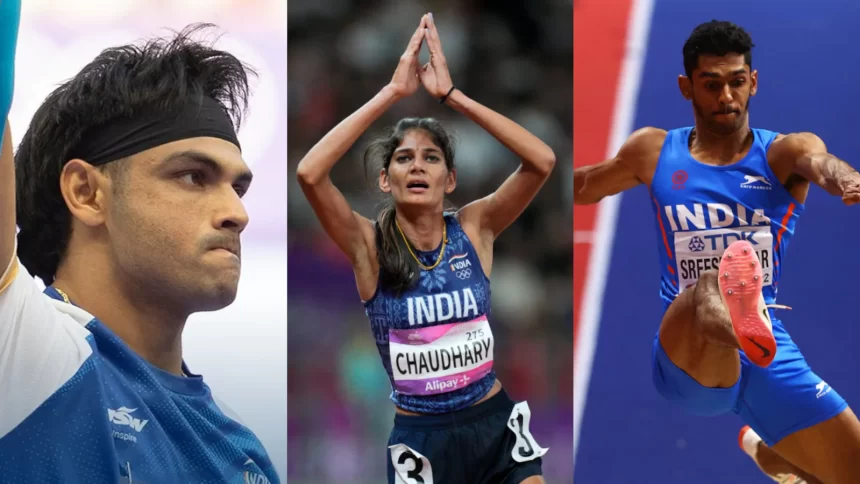
Olympics and Individual Sports: The success of athletes like PV Sindhu, Neeraj Chopra, and the men’s hockey team has made them attractive for brands seeking to associate with “inspiration” and “glory” beyond the cricket field.
Part 6: The Future – Emerging Trends and Challenges
The business is evolving rapidly, presenting new opportunities and hurdles.
Emerging Trends:
-
Digital and Fantasy Sports Integration: The rise of Dream11, My11Circle, and MPL has created a new sponsorship category and a more data-engaged fanbase.
-
Esports Sponsorship: Brands like Intel, AMD, and even non-endemic brands like Mountain Dew are investing in gaming tournaments and teams, targeting the highly coveted Gen Z demographic.
-
Performance-Linked Deals: More contracts are including clauses tied to team performance or athlete milestones, ensuring accountability for the sponsorship spend.
-
Focus on Women’s Sports: With growing viewership for events like the Women’s Premier League (WPL) and women’s cricket matches, brands are recognizing the untapped potential and positive brand association of supporting women athletes.
Persistent Challenges:
-
Over-reliance on Cricket: The market’s health is still disproportionately tied to cricket’s fortunes.
-
Measurement Standardization: While metrics are improving, establishing a universally accepted standard for ROI across digital and traditional media remains a challenge.
-
Clutter: With multiple sponsors for every team and league, breaking through the clutter to create a memorable impact is increasingly difficult.
-
Player and Team Performance Risk: A brand’s association is only as strong as the athlete’s or team’s performance and public image. A string of losses or a controversy can negatively impact the sponsor.
A Strategic Imperative, Not an Option
Sports sponsorship in India has matured from a tactical marketing expense to a strategic business imperative. It is a powerful tool for building brand equity, driving engagement, and reaching a massive, emotionally invested audience in a cluttered media landscape.
The future of this business lies in deeper integration, moving beyond passive branding to creating authentic, value-added experiences for fans. The most successful sponsors will be those who understand that they are not just funding a sport; they are becoming a part of its story, its community, and the cultural fabric of a nation that lives and breathes competition. In the high-stakes game of Indian sports sponsorship, the most valuable trophy is a lasting connection with the heart of the Indian consumer.

