



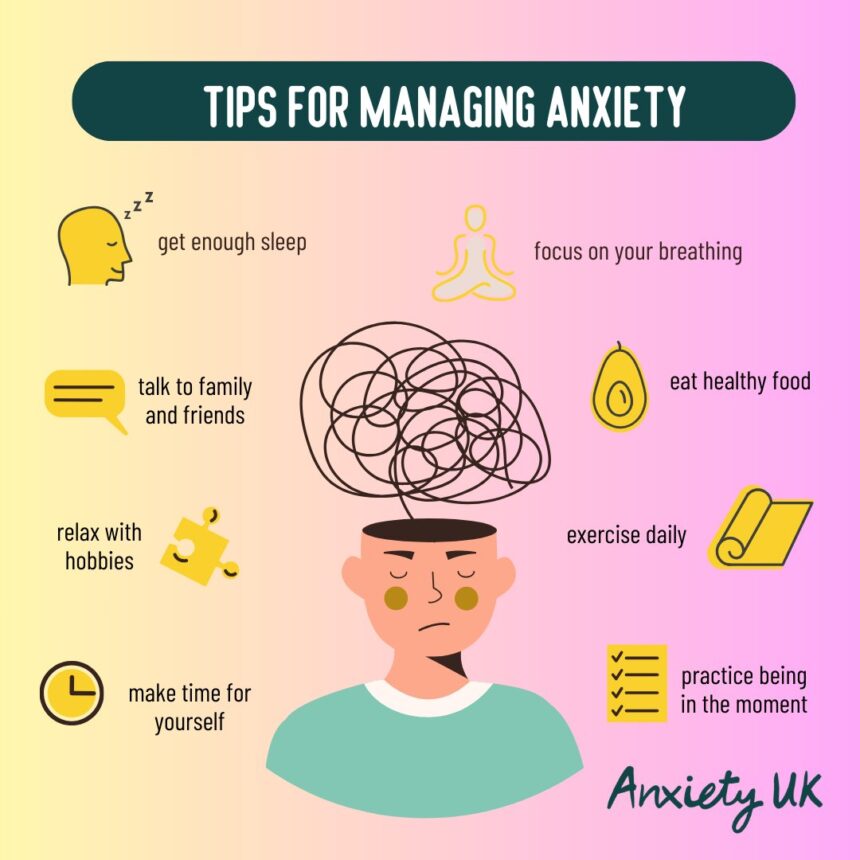
The Calm Within Your Control: A Practical Guide to Managing Anxiety with Simple Lifestyle Changes
Anxiety is more than just occasional worry; it is the body’s ancient alarm system kicking into overdrive in a modern world. It can feel like a constant, humming current of dread, a racing heart, a churning stomach, and a mind trapped in a loop of “what ifs.” While clinical anxiety disorders require professional diagnosis and treatment—such as therapy and medication—for millions, anxiety exists on a spectrum. For those dealing with persistent, sub-clinical anxiety, the feeling of being at the mercy of this internal state can be debilitating.
The crucial message often lost in the noise is this: you are not powerless. While lifestyle changes are not a substitute for therapy, they are a powerful form of foundational treatment. They work by directly influencing the underlying biological systems that drive anxiety: the nervous system, neurochemistry, and physiology. This guide provides a comprehensive, practical blueprint for using simple, evidence-based lifestyle modifications to dial down the volume of anxiety and reclaim a sense of agency over your well-being.
Part 1: The Foundational Trinity: Sleep, Nutrition, and Hydration
The most effective interventions often target the most basic human needs. When these are out of balance, the body is primed for a stress response.
1.1. Sleep: The Cornerstone of Emotional Resilience
Chronic sleep deprivation is jet fuel for anxiety. It creates a vicious cycle: anxiety disrupts sleep, and poor sleep exacerbates anxiety.
-
The Science: Lack of sleep heightens activity in the brain’s amygdala (the fear center) and dampens prefrontal cortex function (the rational, decision-making part). This means you become more reactive to threats and less able to rationalize your fears. Furthermore, deep sleep is crucial for “resetting” the stress response systems for the next day.
-
Actionable Strategies for Sleep Hygiene:
-
Consistency is Key: Go to bed and wake up at the same time, even on weekends. This regulates your body’s circadian rhythm.
-
Create a Wind-Down Ritual: The hour before bed is sacred. Dim the lights, put away all screens (the blue light suppresses melatonin), and engage in a calming activity like reading a physical book, gentle stretching, or taking a warm bath.
-
Optimize Your Environment: Ensure your bedroom is cool, dark, and quiet. Consider blackout curtains and a white noise machine if needed.
-
The 20-Minute Rule: If you can’t fall asleep after 20 minutes, get out of bed. Go to another room and do something relaxing until you feel sleepy. This prevents your bed from becoming a place of anxiety and frustration.
-
1.2. Nutrition: Fueling a Calmer Mind
The gut is often called the “second brain” for a reason. The gut-brain axis is a bidirectional communication network, and the food you eat directly impacts your mood and anxiety levels.
-
The Science: A diet high in processed foods, refined sugars, and unhealthy fats can promote systemic inflammation, which has been linked to higher rates of anxiety and depression. Conversely, a balanced, whole-foods diet supports the production of key neurotransmitters like serotonin, much of which is produced in the gut.
-
Actionable Dietary Shifts:
-
Stabilize Blood Sugar: Avoid blood sugar spikes and crashes by reducing refined sugars and simple carbohydrates. Pair complex carbs (oats, sweet potatoes) with protein and healthy fats to create sustained energy.
-
Prioritize Omega-3s: These fatty acids, found in fatty fish (salmon, mackerel), walnuts, and flaxseeds, have anti-inflammatory properties and are crucial for brain health.
-
Feed Your Gut Microbiome: Include fermented foods (yogurt, kefir, kimchi, sauerkraut) for probiotics and fiber-rich foods (fruits, vegetables, legumes) for prebiotics. A healthy gut microbiome is associated with lower anxiety.
-
Limit Stimulants: Caffeine is a well-known anxiety trigger. It can cause jitters, a racing heart, and mimic panic attack symptoms. Be mindful of your intake from coffee, tea, and energy drinks. Similarly, alcohol, while initially a depressant, disrupts sleep and can worsen anxiety as it wears off.
-
1.3. Hydration: The Overlooked Regulator
Dehydration can directly provoke physical symptoms that feel identical to anxiety.
-
The Science: Even mild dehydration can increase cortisol levels (the primary stress hormone) and cause symptoms like headaches, fatigue, dizziness, and a rapid heart rate—all of which can be misinterpreted by an anxious brain as a sign of impending doom.
-
Actionable Strategy: Keep a water bottle with you and sip throughout the day. Don’t wait until you feel thirsty. If you feel a wave of anxiety, drink a full glass of water and see if the physical sensations subside.
Part 2: Movement and Mindfulness: Resetting the Nervous System
Anxiety is a state of “fight or flight.” The most direct way to counteract this is to activate the body’s natural “rest and digest” system.
2.1. Movement as Medicine: Strategic Exercise
Exercise is a powerful, natural anti-anxiety intervention.
-
The Science: Physical activity burns off excess stress hormones like adrenaline and cortisol. It also releases endorphins, the body’s natural mood elevators, and promotes the growth of new neurons in the hippocampus, a brain region that can be damaged by chronic stress.
-
Actionable Movement Strategies:
-
Find Your Rhythm: You don’t need to run a marathon. A daily 30-minute brisk walk, a bike ride, or a dance session in your living room can be profoundly effective.
-
Mindful Movement: Practices like yoga, Tai Chi, and Qigong are particularly powerful because they combine physical movement with breath awareness, directly calming the nervous system.
-
Start Small: Consistency trumps intensity. A 10-minute walk is better than no walk at all.
-
2.2. The Breath: Your Portable Anchor
Your breath is the remote control for your nervous system. When you’re anxious, your breathing becomes shallow and rapid. By consciously changing your breath, you can send a direct signal of safety to your brain.
-
The Science: Deep, slow breathing stimulates the vagus nerve, the main component of the parasympathetic (“rest and digest”) nervous system. This slows your heart rate, lowers blood pressure, and promotes a state of calm.
-
Actionable Breathing Techniques:
-
The 4-7-8 Technique: Inhale quietly through your nose for 4 seconds. Hold your breath for 7 seconds. Exhale completely through your mouth, making a whoosh sound, for 8 seconds. Repeat 3-5 times.
-
Box Breathing: Inhale for 4 seconds, hold for 4 seconds, exhale for 4 seconds, hold for 4 seconds. Repeat.
-
Practice Proactively: Don’t wait for a panic attack. Practice these techniques for a few minutes each day to build resilience.
-
2.3. Mindfulness and Meditation: Training the Anxious Mind
Anxiety is often fueled by living in the feared future. Mindfulness is the practice of anchoring yourself in the present moment without judgment.
-
The Science: Regular mindfulness practice has been shown to shrink the amygdala and strengthen the prefrontal cortex. It changes your relationship with anxious thoughts, allowing you to see them as passing mental events rather than absolute truths.
-
Actionable Mindfulness Strategies:
-
Start with 5 Minutes: Use an app like Calm, Headspace, or Insight Timer for a guided meditation. Focus on the sensation of your breath. When your mind wanders (which it will), gently bring it back without self-criticism.
-
Practice Informal Mindfulness: Bring mindful awareness to a daily activity like washing dishes, brushing your teeth, or drinking tea. Engage all your senses in the experience.
-
Part 3: The External Environment: Structure, Connection, and Nature
Your surroundings and routines can either amplify or soothe an anxious mind.
3.1. The Power of Routine and “Worry Time”
Anxiety thrives in uncertainty and a lack of control. A predictable routine provides a scaffolding of safety.
-
Actionable Strategy: Create a simple, flexible daily structure for your wake-up time, meals, work, and wind-down. This reduces the number of decisions you have to make, conserving mental energy.
-
Schedule “Worry Time”: This is a powerful cognitive-behavioral technique. Designate a specific 15-minute window each day as your “worry time.” When an anxious thought arises during the day, acknowledge it and tell yourself, “I will deal with that during my worry time.” When the time comes, you can think or write about your worries. This contains the anxiety, preventing it from consuming your entire day.
3.2. Digital Detox and Information Diet
The constant barrage of news, social media comparisons, and notifications is a significant source of modern anxiety.
-
Actionable Strategies:
-
Set Boundaries: Designate phone-free times (e.g., during meals, the first hour after waking) and phone-free zones (e.g., the bedroom).
-
Curate Your Feed: Unfollow accounts that make you feel inadequate or anxious. Mute news keywords that trigger you.
-
Replace Scrolling: When you feel the urge to scroll, replace it with one of the other tools here: drink water, do a breathing exercise, or read a book.
-
3.3. The Healing Power of Connection and Nature
Isolation fuels anxiety, while connection and nature are potent antidotes.
-
Social Connection: Talk to someone you trust. Verbalizing your worries can often shrink them. Even simple, non-anxiety-related social interaction releases oxytocin, a bonding hormone that reduces stress.
-
Nature Therapy (Forest Bathing): Spending time in green spaces has been scientifically proven to lower cortisol, reduce heart rate, and improve mood. A 20-minute walk in a park can be a powerful reset.
Weaving the Threads of Calm
Managing anxiety is not about finding one magic solution. It is about weaving a tapestry of small, consistent practices that, over time, create a more resilient and calm nervous system. You would not expect one piano lesson to make you a concert pianist; similarly, one meditation session will not “cure” your anxiety.
The goal is progress, not perfection. Start with one or two changes from this guide that feel most accessible to you. Perhaps it’s committing to a consistent bedtime or practicing the 4-7-8 breathing technique once a day. Master that, and then add another thread to your tapestry.
These lifestyle changes are a declaration of self-compassion. They are a way of telling your anxious self, “I hear you, and I am actively building a safer, calmer home for you within.” By taking these small, deliberate steps, you move from being a passenger in the car of your anxiety to gently taking the wheel.

