



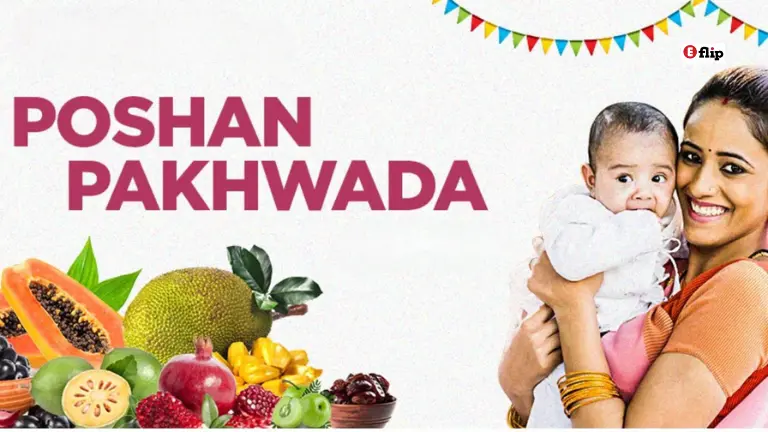
As I sit down to write this on April 8, 2025, I can’t help but feel the excitement buzzing through the air. The Ministry of Women and Child Development is pulling out all the stops to make this year’s Poshan Pakhwada a game-changer. It’s not just about policies or numbers; it’s about people—about the mothers in rural villages, the children in bustling cities, and the families who deserve a shot at a healthier future. Let’s dive into what this 7th edition is all about, why it matters, and how it’s touching lives in ways big and small.
What is Poshan Pakhwada?
For those new to the term, Poshan Pakhwada—which translates to “Nutrition Fortnight”—is a flagship initiative under the broader Poshan Abhiyaan, launched by Prime Minister Narendra Modi in 2018. It’s a biannual campaign (with Poshan Maah in September) designed to raise awareness about nutrition and drive actionable change at the grassroots level. The Ministry of Women and Child Development leads this effort, but it’s far from a solo act. It’s a collaborative symphony involving 18 partner ministries, state governments, Anganwadi workers, and everyday citizens—all working toward a “Suposhit Bharat” (Nourished India).
The 7th Poshan Pakhwada builds on this legacy with a renewed focus on four key themes: the first 1,000 days of life, the Poshan Tracker’s beneficiary module, community-based malnutrition management, and tackling childhood obesity through lifestyle changes. These aren’t just buzzwords—they’re lifelines for millions, addressing some of India’s most pressing health challenges with compassion and innovation.
A Mother’s Story: Why the First 1,000 Days Matter
Picture Priya, a young mother in a small village in Uttar Pradesh. She’s cradling her newborn, unsure if she’s doing everything right. The Ministry of Women and Child Development knows her story isn’t unique—it’s shared by countless women across India. That’s why the 7th Poshan Pakhwada zeroes in on the first 1,000 days of life, from conception to a child’s second birthday. This window is critical; it’s when nutrition shapes a child’s growth, brain development, and long-term health.
During this Poshan Pakhwada, Priya might attend a local awareness camp where Anganwadi workers explain the importance of breastfeeding and complementary feeding. She’ll learn how to nourish her baby—and herself—during pregnancy and beyond. It’s a simple conversation, but it could change her child’s future, reducing the risk of stunting or anemia. The Ministry of Women and Child Development is betting on these small, human moments to create a ripple effect of health and hope.
Technology Meets Compassion: The Poshan Tracker
Now, let’s shift to a bustling Anganwadi center in Odisha. Sunita, a worker there, pulls out her smartphone to log details about the kids she’s monitoring. Thanks to the Poshan Tracker—a digital tool championed by the Ministry of Women and Child Development—she can track nutrition outcomes in real time. The 7th Poshan Pakhwada is all about popularizing this tool’s beneficiary module, making it accessible to citizens like Priya, too.
Imagine Sunita showing Priya how to use the app to check her child’s growth or access dietary tips. It’s empowerment in action—technology bridging the gap between policy and people. The Poshan Pakhwada isn’t just about spreading awareness; it’s about giving families tools to take charge of their health. By the end of these 15 days, thousands more will be connected to this digital lifeline, proving that innovation can be deeply personal.
Healing at Home: Community-Based Malnutrition Management
Malnutrition isn’t just a statistic—it’s a quiet struggle in homes across India. During the 7th Poshan Pakhwada, the Ministry of Women and Child Development is tackling it head-on with the Community-Based Management of Acute Malnutrition (CMAM) approach. This isn’t about distant hospitals or complex treatments; it’s about healing where it hurts most—at home and in the community.
Take little Arjun, a four-year-old in Rajasthan who’s been losing weight. Instead of a long trip to a clinic, his family attends a village camp during Poshan Pakhwada. Health workers screen him, provide ready-to-use therapeutic foods, and teach his parents how to monitor his progress. It’s practical, it’s local, and it works. By bringing solutions to doorsteps, the Ministry of Women and Child Development is showing that no child should slip through the cracks.
Growing Up Healthy: Fighting Childhood Obesity
Here’s a twist: while malnutrition remains a challenge, childhood obesity is on the rise in India’s urban centers. The 7th Poshan Pakhwada doesn’t shy away from this dual reality. It’s encouraging kids like 10-year-old Riya in Delhi to swap sugary snacks for balanced meals and screen time for playtime. Through school workshops and community drives, the Ministry of Women and Child Development is promoting lifestyle changes that stick.
Riya’s mom might join a cooking demo during Poshan Pakhwada, learning how to whip up millet-based dishes—nutritious, traditional, and kid-approved. It’s a reminder that health isn’t just about avoiding illness; it’s about thriving. This focus on obesity shows how the campaign adapts to India’s evolving needs, keeping every child in mind.
A Nationwide Movement: How It All Comes Together
The beauty of Poshan Pakhwada lies in its scale and spirit. From April 8 to 22, 2025, activities will unfold across villages, blocks, and districts. Home visits, nutrition camps, rallies, and webinars will bring stakeholders together—think Ministry officials, Anganwadi workers, teachers, and families. On the opening day, Minister of State Savitri Thakur will address the nation via a webcast, setting the tone for a united effort. Meanwhile, Union Minister Annpurna Devi will visit Arunachal Pradesh to assess on-ground progress, showing the Ministry of Women and Child Development’s commitment to every corner of India.
This isn’t a top-down diktat—it’s a “Jan Andolan” (people’s movement). Partner ministries like Health, Education, and Rural Development will pitch in, hosting events that echo the spirit of “Ek Bharat Shreshtha Bharat” (One India, Excellent India). Whether it’s a yoga session in Tamil Nadu or a diet consultation in Gujarat, Poshan Pakhwada weaves a tapestry of health and unity.
The Human Impact: Stories That Inspire
Behind the themes and logistics are real stories. There’s Lakshmi, a lactating mother in Bihar, who learned about exclusive breastfeeding during last year’s Poshan Pakhwada and saw her baby thrive. Or Rohan, a schoolboy in Maharashtra, who joined a “Swasth Balak” competition and started eating better. These aren’t just wins for the Ministry of Women and Child Development—they’re victories for families who feel seen and supported.
Since its inception, Poshan Pakhwada has touched millions, reducing malnutrition rates and sparking conversations about food and fitness. The 7th edition promises to build on this, with an outcome-oriented approach that strengthens delivery and outreach. It’s about measurable change—fewer underweight kids, healthier moms, stronger communities.
Why It Matters Now More Than Ever
As India strides toward 2030, nutrition is a cornerstone of its development goals. The Ministry of Women and Child Development knows that a nourished nation is a productive one. With climate challenges, urban growth, and lifestyle shifts, campaigns like Poshan Pakhwada are vital. They remind us that health isn’t a luxury—it’s a right. And on April 8, 2025, as the 7th edition begins, that right feels within reach for millions more.
Join the Journey
The 7th Poshan Pakhwada isn’t just an event—it’s an invitation. Whether you’re a parent, a teacher, or just someone who cares, there’s a role for you. Tune into the webcast on April 8 at noon (https://webcast.gov.in/mwcd) to hear from leaders shaping this movement. Share a healthy recipe with your neighbors. Or simply talk about nutrition with your kids. The Ministry of Women and Child Development has set the stage—now it’s up to us to step up.
Ready to be part of India’s nutrition revolution? Share your thoughts on Poshan Pakhwada in the comments below—what’s one healthy change you’ll make this month? Subscribe to our newsletter for more stories of impact and inspiration. Together, let’s nourish a brighter, stronger India!

