When we think of swimming animals, fish or dolphins usually come to mind. But did you know that many land animals are actually great swimmers too?
Whether it’s to cross rivers, escape danger, or just cool off, that live on land can handle water surprisingly well. Here’s a look at a few of them — and trust us, some will surprise you!
You wouldn’t expect such a huge animal to swim well, but elephants are natural-born swimmers. They can swim long distances without getting tired. What’s even cooler? They use their trunks like snorkels to breathe while swimming.
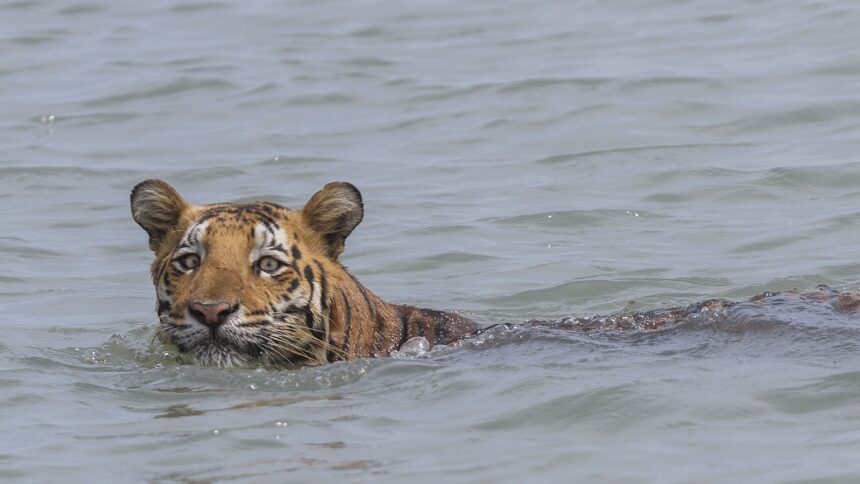
Most big cats don’t like water, but tigers are different. They love swimming and will often take a dip in lakes or rivers, especially when it’s hot. They’re strong swimmers and can go for miles if they need to.
Moose may look clumsy, but they’re great swimmers. They often wade into lakes or rivers to munch on underwater plants. Some moose can even dive several metres deep to find food!
It’s hard to picture a camel in water, right? But yes — even camels can swim if needed. In parts of the world where deserts meet rivers, people have seen camels crossing the water without much trouble.
Kangaroos are known for hopping, not swimming, but they can hold their own in water too. They use a doggy-paddle kind of style and often swim to get away from predators.
Not all snakes are land-bound. Many species, like rat snakes and pythons, are strong swimmers. They glide across the water using their whole body in an S-shape motion.
Whether it’s a brown bear or a black bear, they can all swim well. Bears often swim to catch fish or cross rivers while roaming their territories.
You’d never guess it, but sloths are better swimmers than walkers! They’re three times faster in water than on land. They swim using a breaststroke-like motion and can even hold their breath for a few minutes.
We usually think of crocs in rivers, but they often come on land too. In water, they use their powerful tails to move fast and quietly. Their eyes and nose sit on top of their heads, so they can stay mostly hidden while swimming.