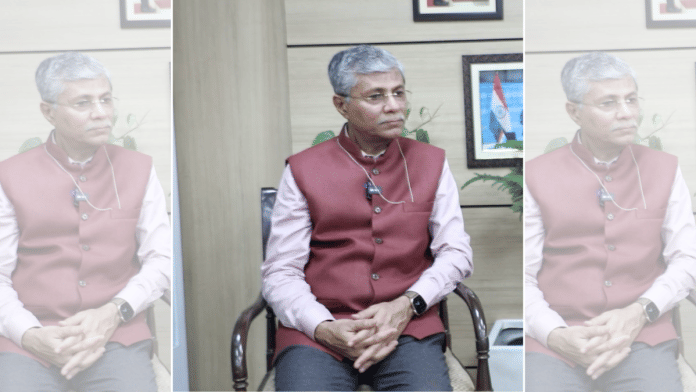
Once such advertisements are identified, Kotecha said, “We refer it to the state licensing authority to immediately take action, and they notify these advertisers to stop it.”
The comments come as the ministry prepares to expand traditional medicine initiatives following a 10 percent increase in budgetary allocation from Rs 3,992.90 crore in the last fiscal to Rs 4,408 crore.
Kotecha said the fresh funding will support new Ayurveda institutions, research collaborations, and the strengthening of the pharmacovigilance mechanisms.
He added that more than 3,000 side effects of Ayush medicines have been recorded since 2018, and none of them were fatal, and most were auto-reversible within a day or two.
Adverse Drug Reactions (ADRs) are for Ayurvedic medicine. This could be due to irrational use, contamination by heavy metals, or adulteration.
Kotecha explained that Ayush drugs are regulated under the provisions of the Drugs and Cosmetics Act, 1940 and the Rules framed thereunder. In the case of Ayurveda, Siddha, and Unani (ASU) drugs, there are two broad categories, including classical formulations and patent or proprietary medicines.
The requirements for the grant of a manufacturing licence for ASU drugs are prescribed under Rule 158B of the Drugs Rules, 1945. These include compliance with prescribed standards relating to safety, quality, and proof of efficacy.
For Homoeopathic medicines, the regulatory framework for grant of manufacturing licences is laid down under Rules 85A to 85I of the Rules.
“Manufacturing licences for Ayush drugs are granted by the State Licensing Authorities appointed by the State/UT Governments, in accordance with these provisions. At the policy level, we are working towards strengthening the regulatory framework that ensures quality, safety and clinical validation of Ayush drugs,” he said.